Enter password to view case study
Snapchat
Designing engaging AR games


Role
UI/UX, Concept Art
Platforms
IOS & Android
Timeline
May 2018 — Dec 2019
At Snap, AR games lived inside the Lens ecosystem, one of the most experimental and high-velocity environments in consumer technology. The team shipped two to three new game concepts per week. Success was measured by the number of messages users sent to each other and the frequency with which they posted to Stories. A single successful game could be played by millions of users per day. The business goal was clear. Create new reasons to open Snapchat and turn playful moments into social interaction.
The challenge
AR was still new territory, and the environment was intensely fast-paced. The team aimed to produce two to three new games per week, and as a designer, I was typically working on one to three concepts at a time. Each game had to be understood in seconds, perform reliably across a wide range of devices, and operate within constantly evolving technical constraints. Users had short attention spans and no patience for confusion, so every mechanic needed to be instantly clear, socially shareable, and scalable. This pace required us to think creatively while staying highly efficient in execution.
My contribution
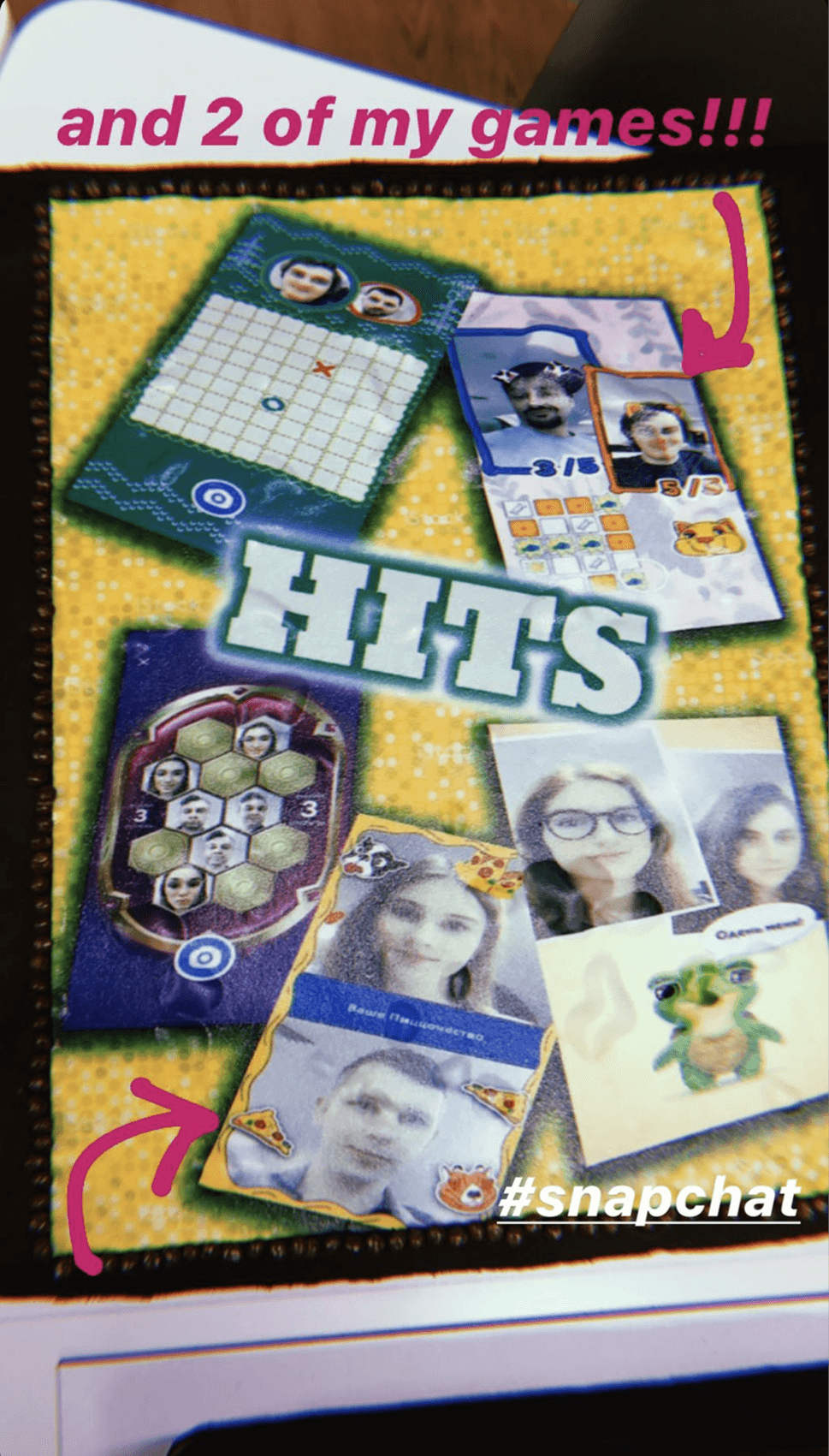
During my time on the Snapables team, I designed and shipped close to 40 AR game flows within one of Snap's fastest-moving product environments. Three of the games I led became hit experiences, generating up to 300% more user messages than average-performing games and driving millions of daily plays. In an ecosystem where success was defined by conversation and sharing, this meant materially increasing social interaction across the platform.
My focus was on building mechanics that could be understood in under three seconds while remaining technically feasible at scale. I partnered closely with engineering to design within AR constraints, introduced lightweight 2D strategies when heavy 3D assets were not viable, and created modular visual systems that allowed games to evolve without losing clarity. I also contributed to internal tooling that transformed static drawing into animated gameplay, enabling new forms of interaction inside the Lens ecosystem.
Crafting play at scale
Exploring new realms
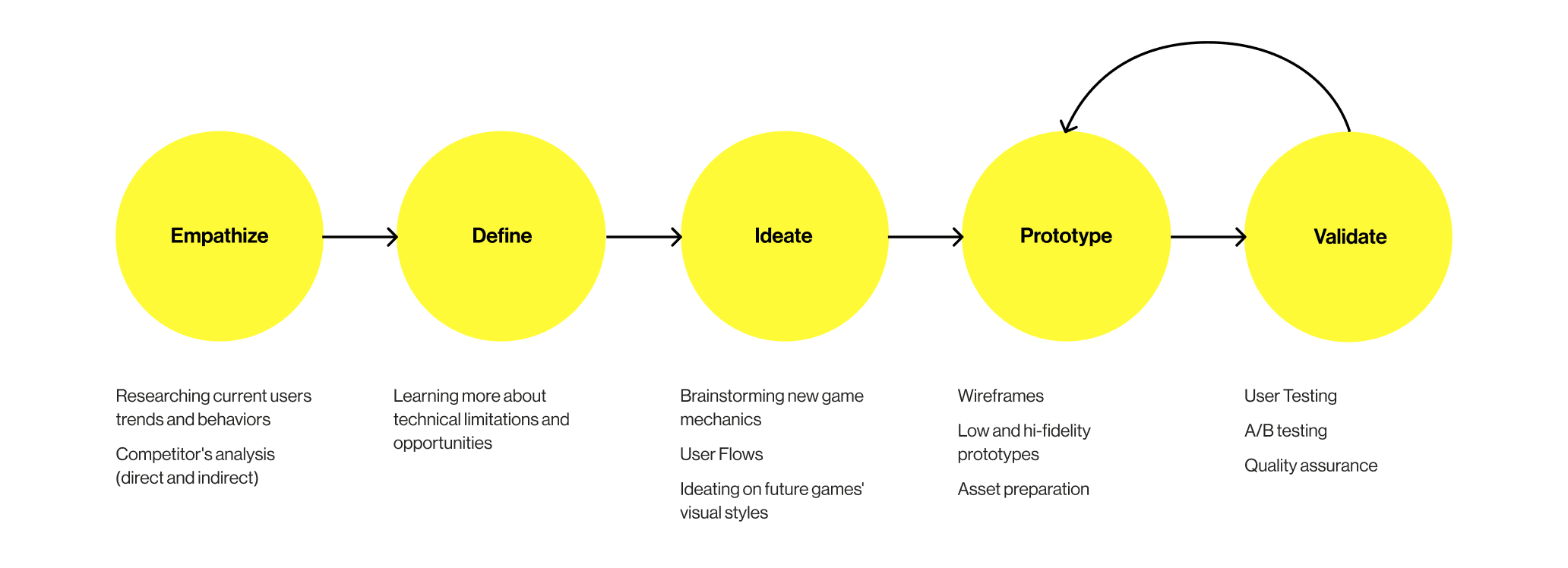
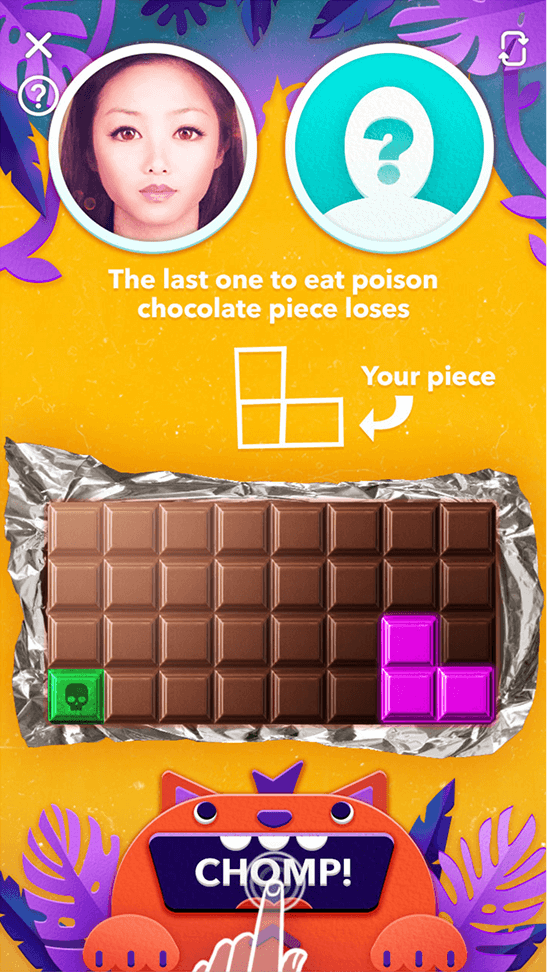
At Snap, we constantly experimented with visual directions, including 2D versus 3D systems. Every stylistic decision was tested against one metric: engagement. Through rapid prototyping and user testing, we identified which visual language best supported clarity, performance, and social interaction.
Enhancing user reality
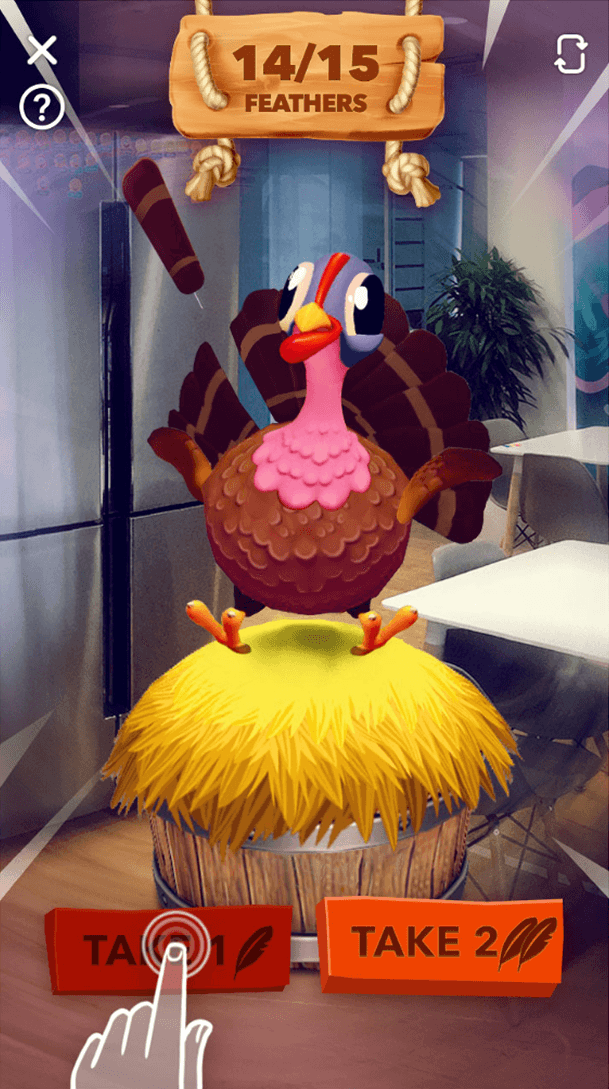
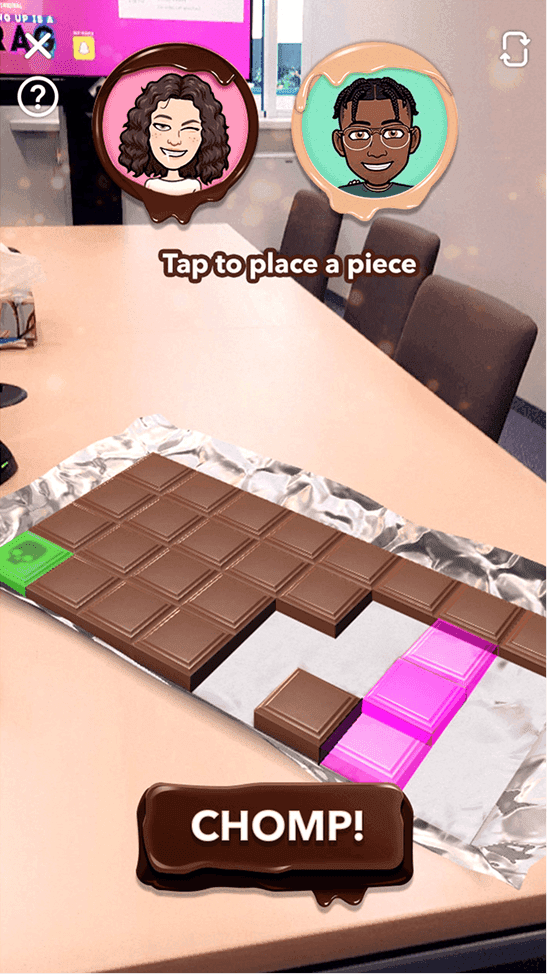
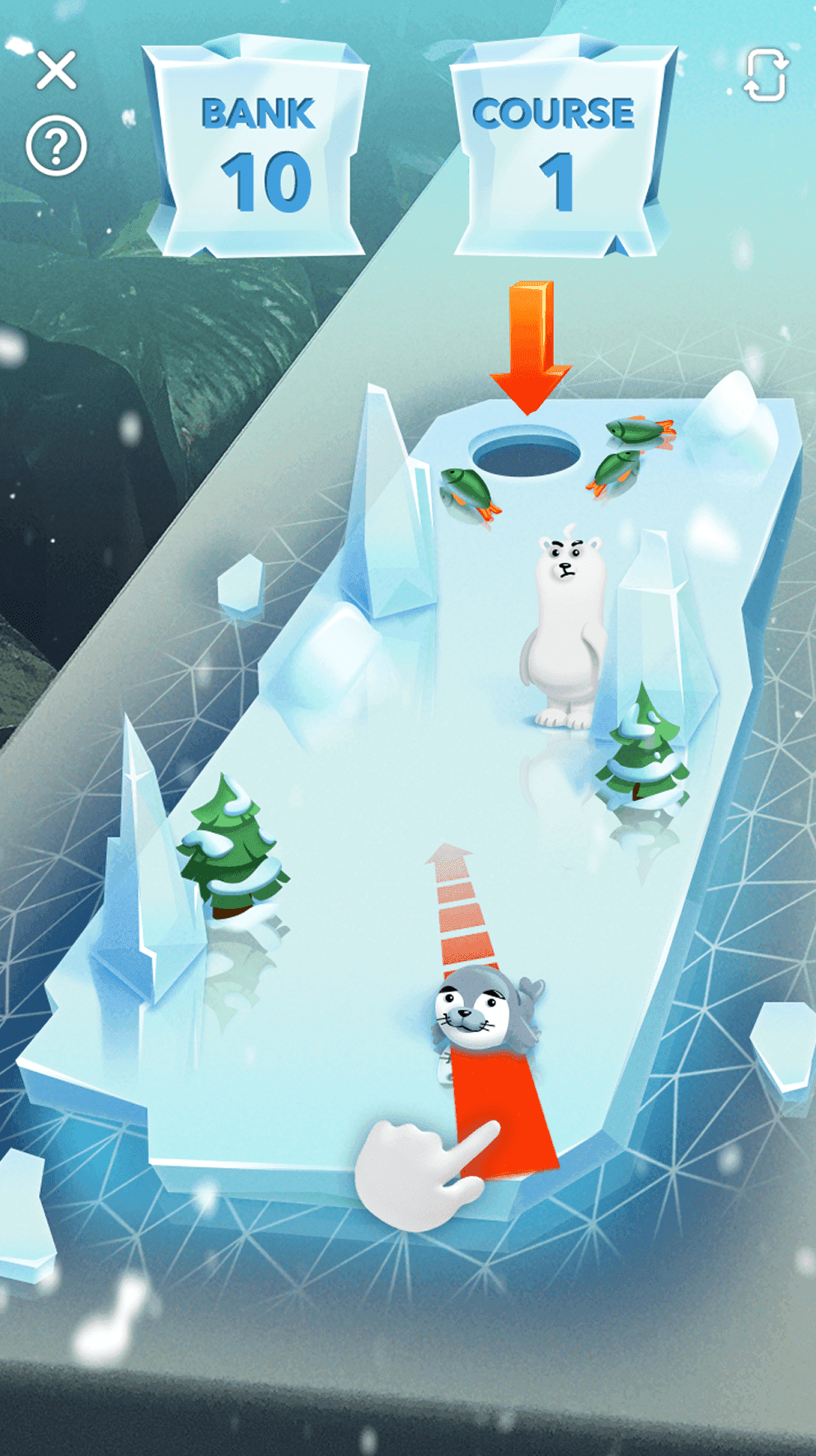
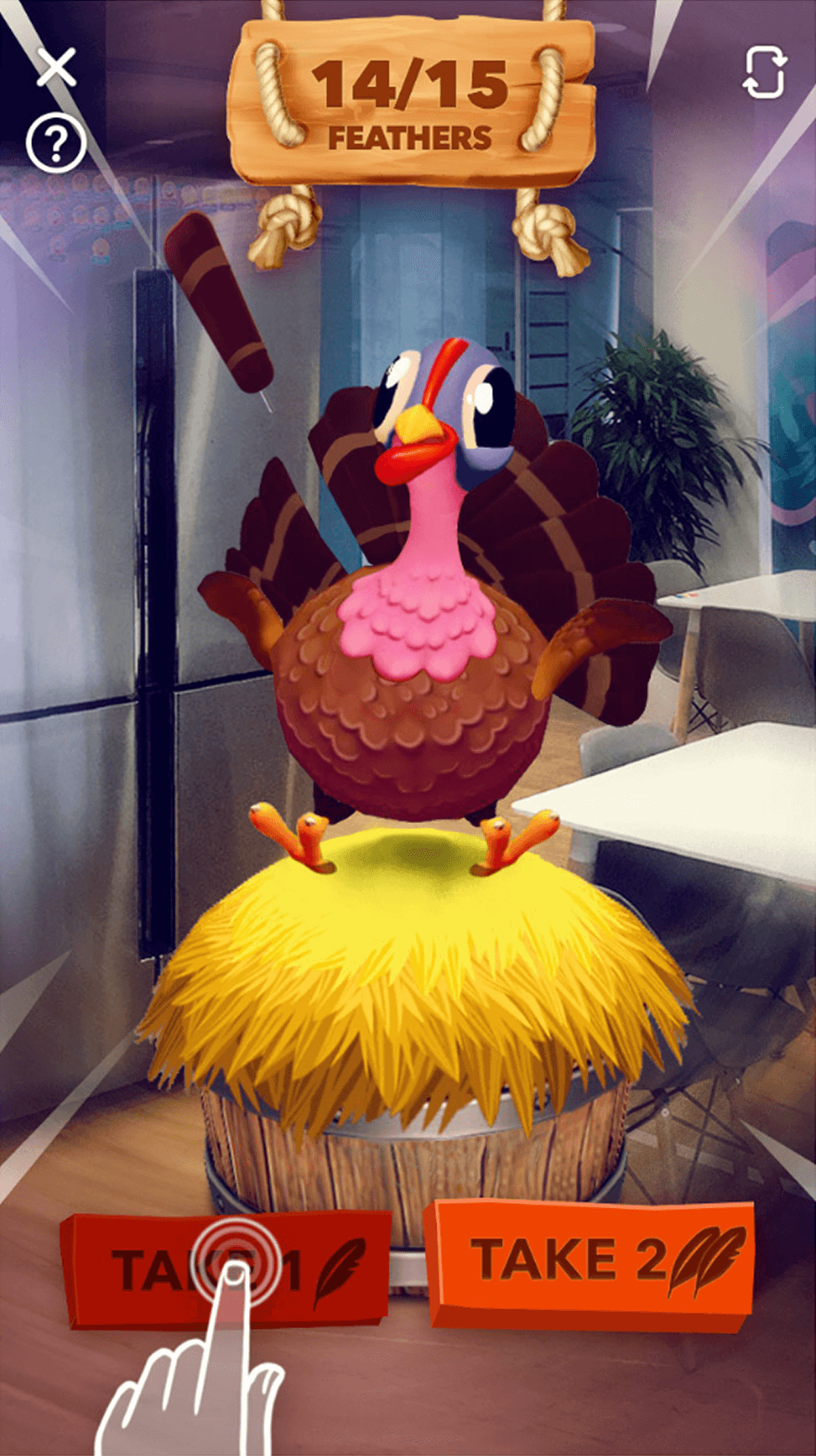
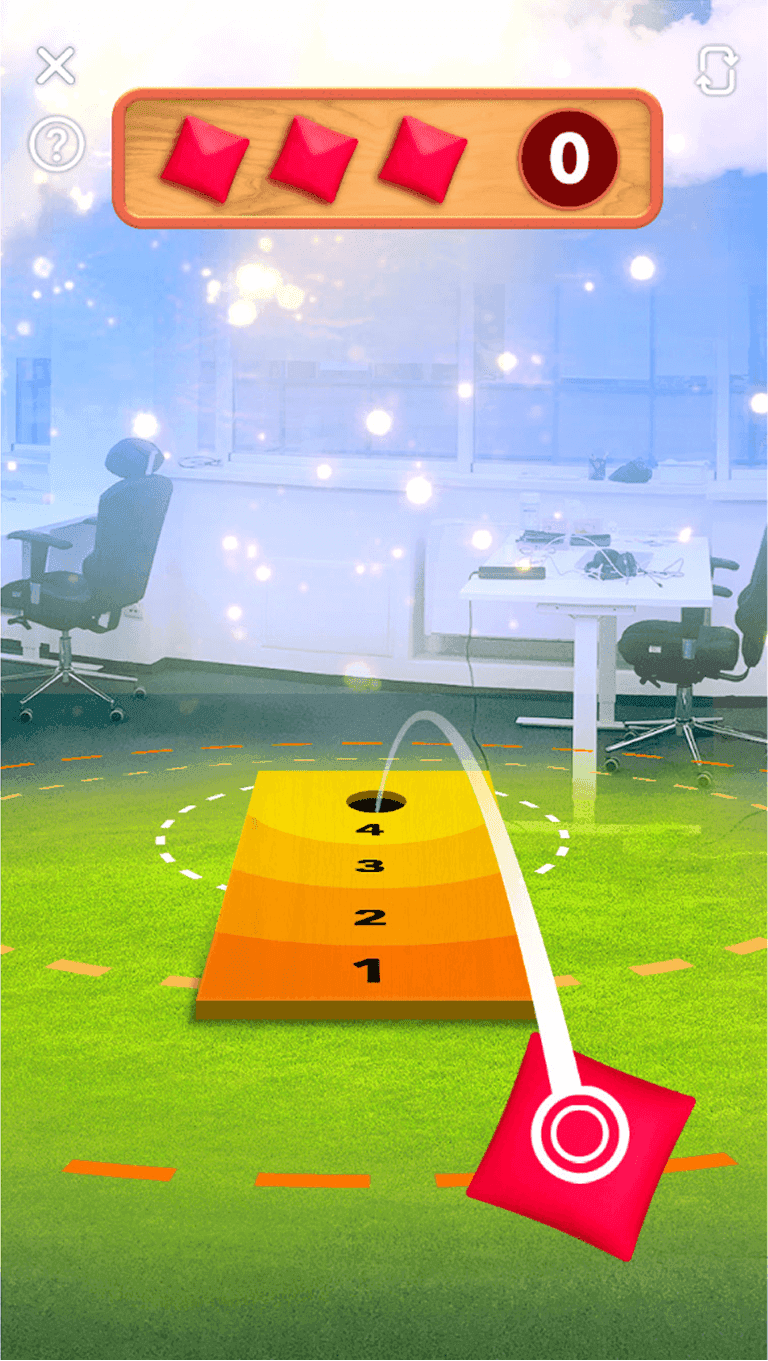
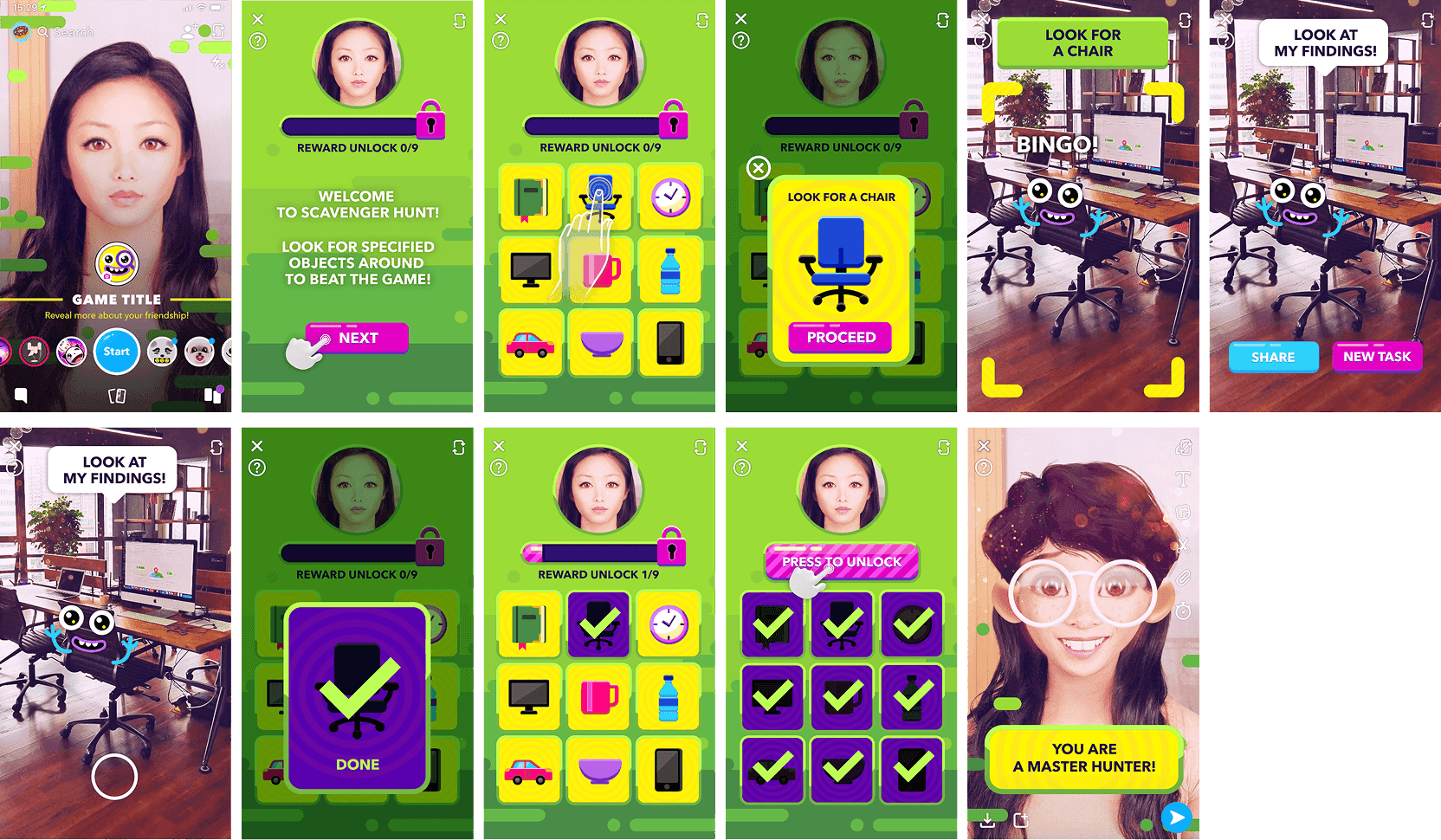
Our goal was to add a layer of magic to everyday life. I designed AR interactions that let users rotate, pull, throw, and compete in their physical space.
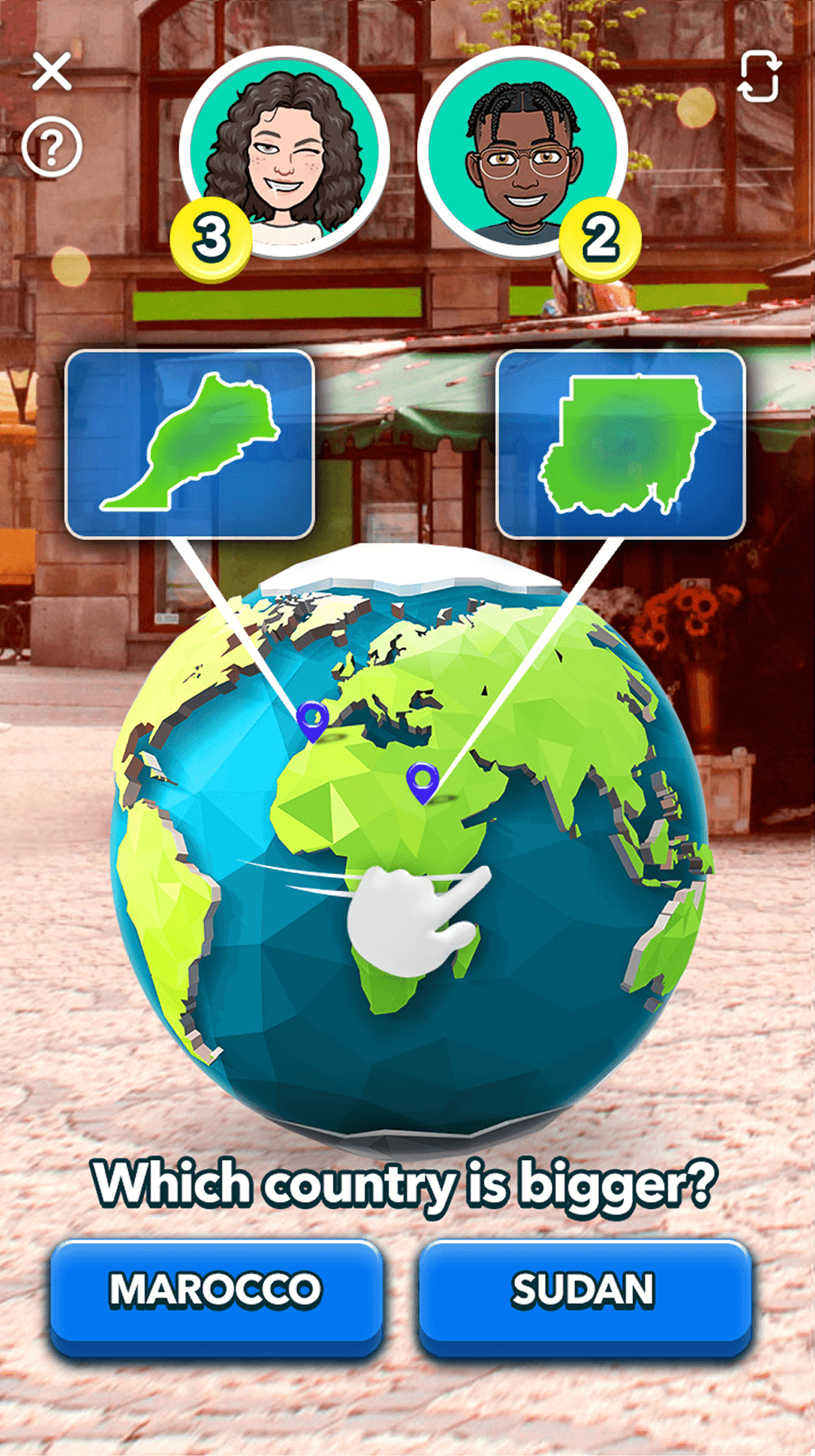
Designing for current and future technologies
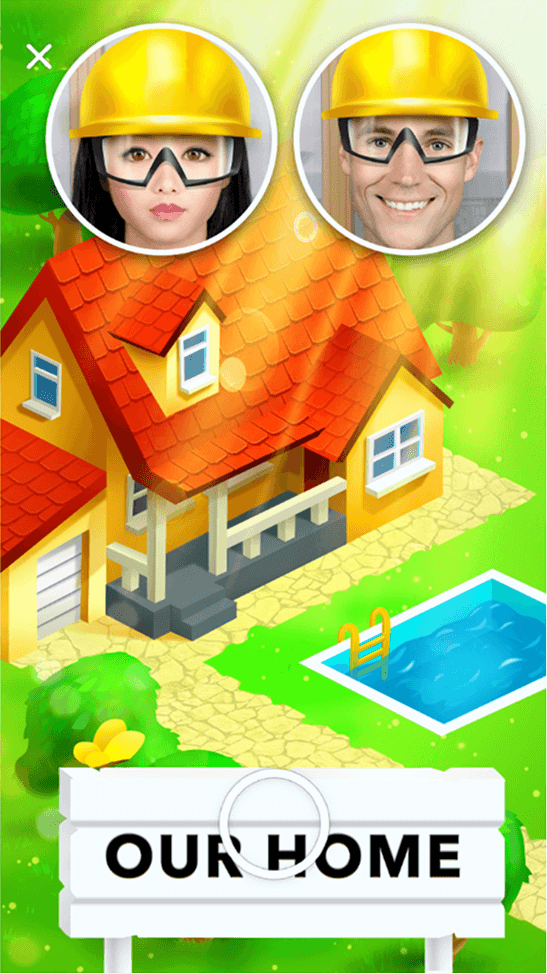
We explored how emerging technologies could enable collaborative play, including concepts for shared AR building experiences. My role was to translate technical feasibility into intuitive interaction models, balancing what was possible today with what could become possible tomorrow.

Actively collaborating with the engineering team
If you don't know your limitations, it's easy to design something impossible to build. So I proactively approached the engineers to identify design limitations for this game. Unfortunately, it turned out that adding textures isn't currently feasible with the game with physics, so I used none.
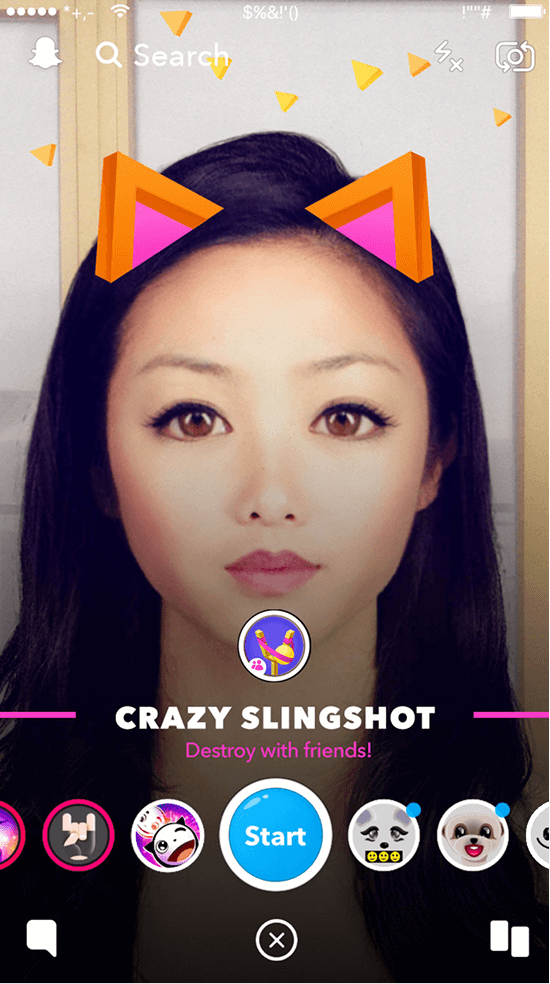



Testing untried concepts of in-game mechanics
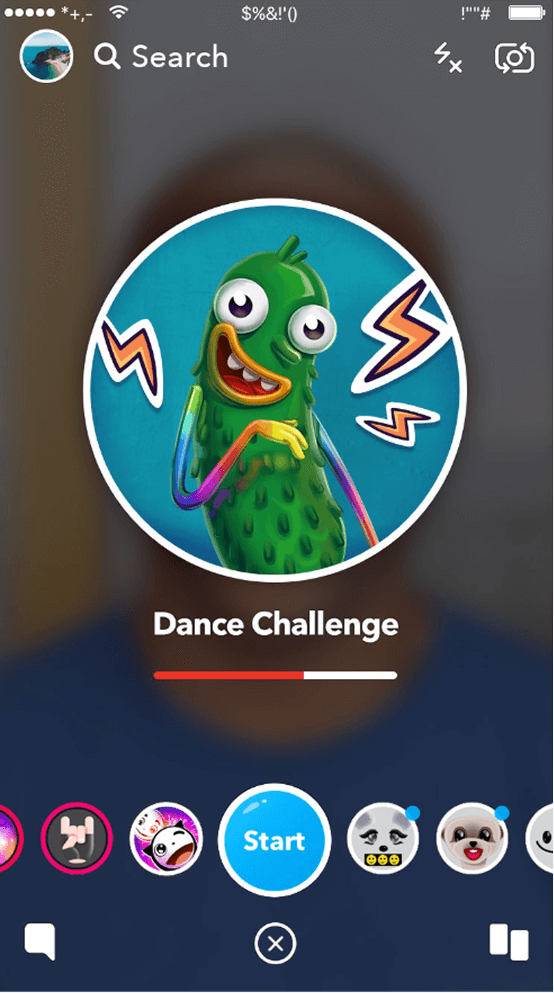
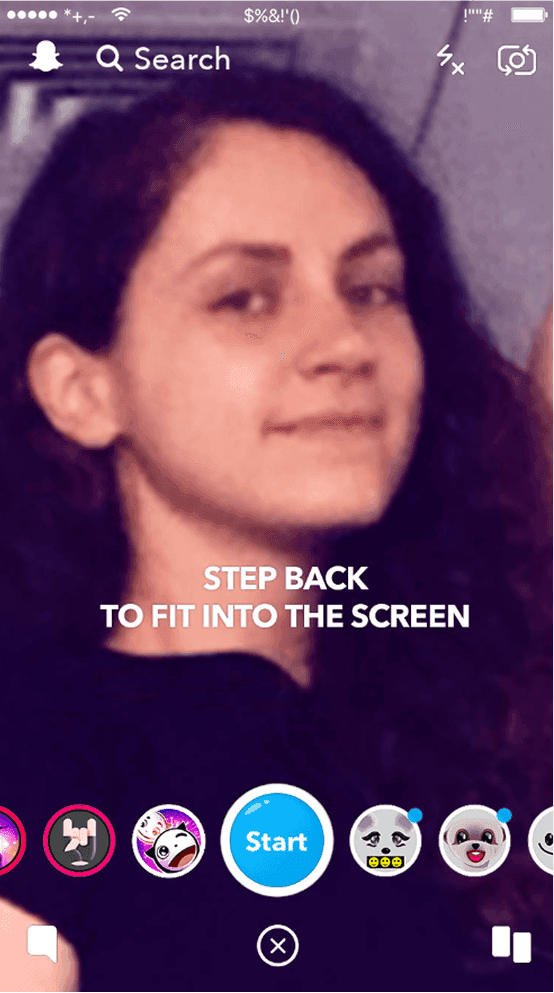
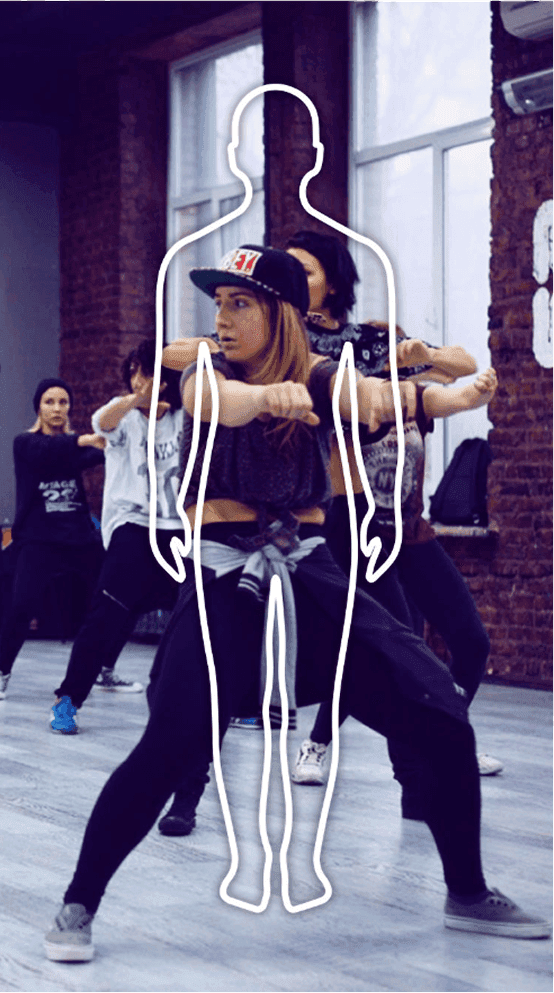
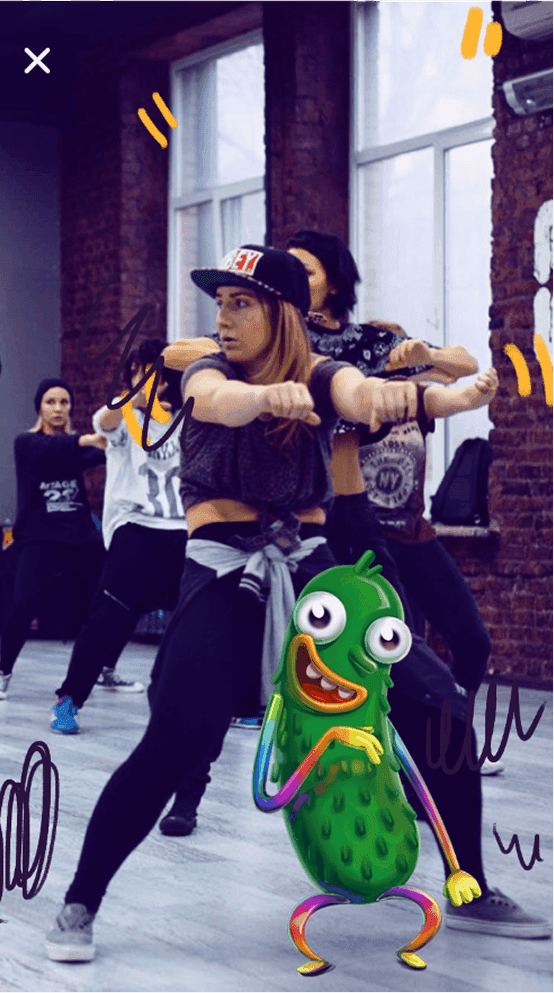
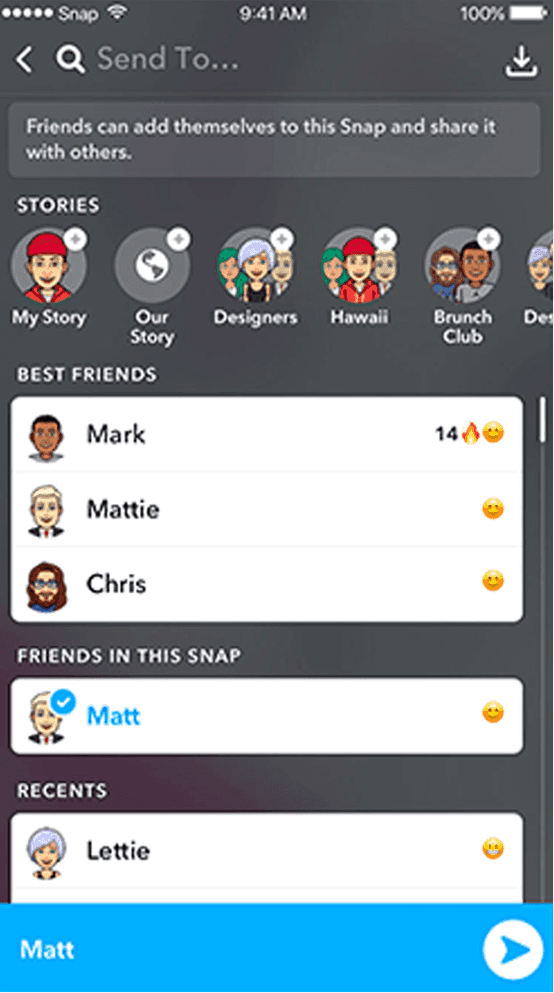
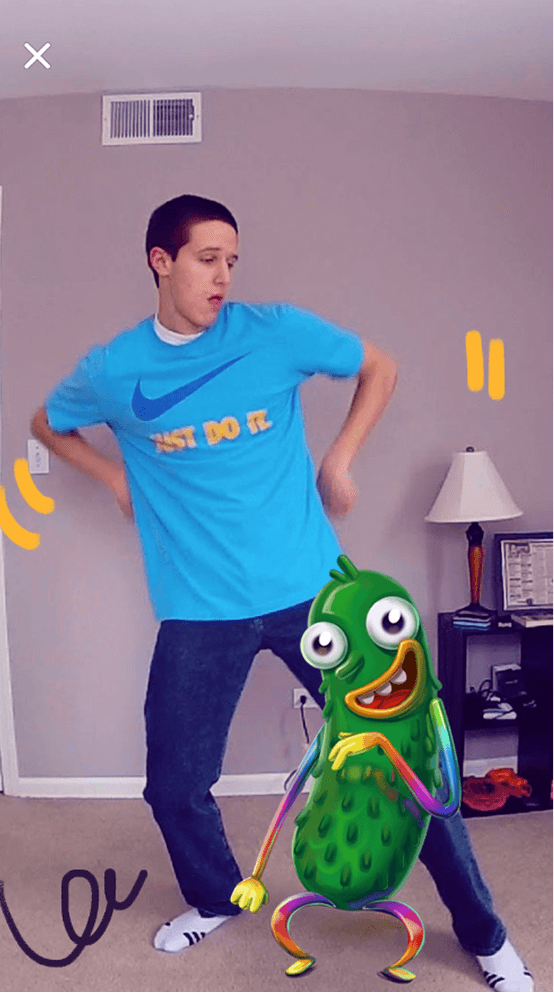
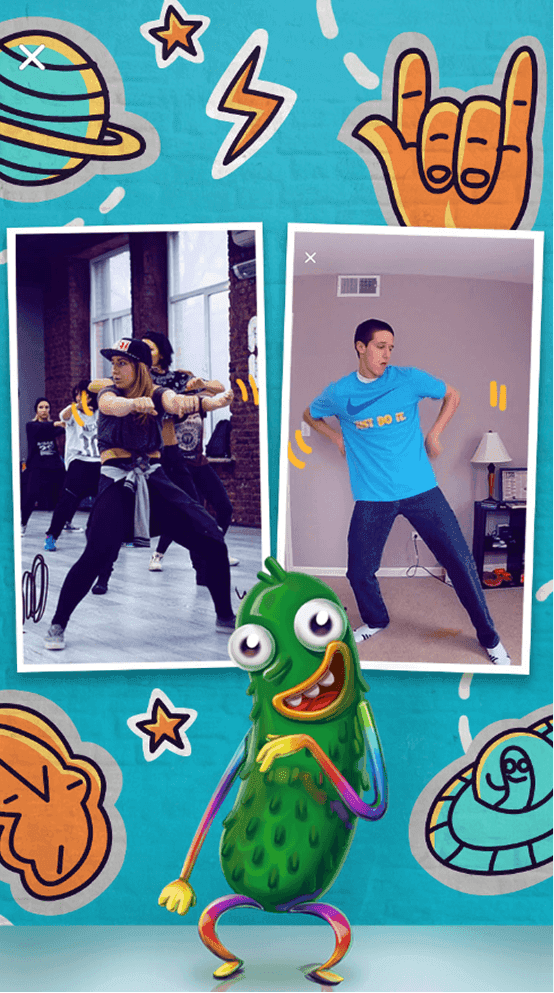
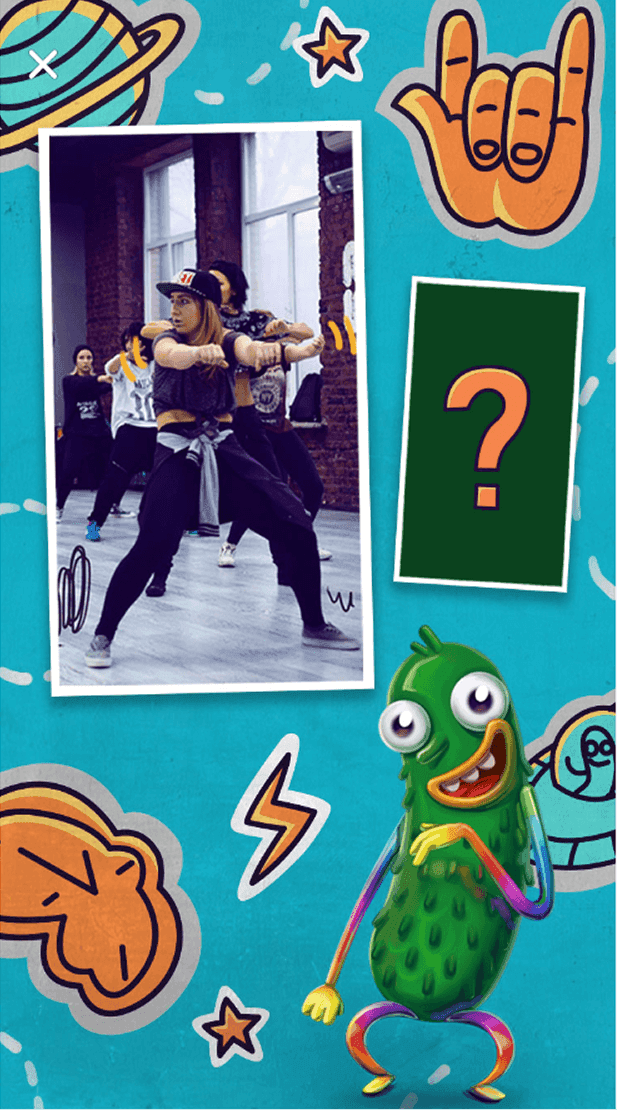
Many ideas had no precedent. Could users film themselves during a dancing challenge? Would characters remain visible from a distance? We tested extensively to validate usability, visibility, and delight before scaling.
Playing with possibilities of new tech
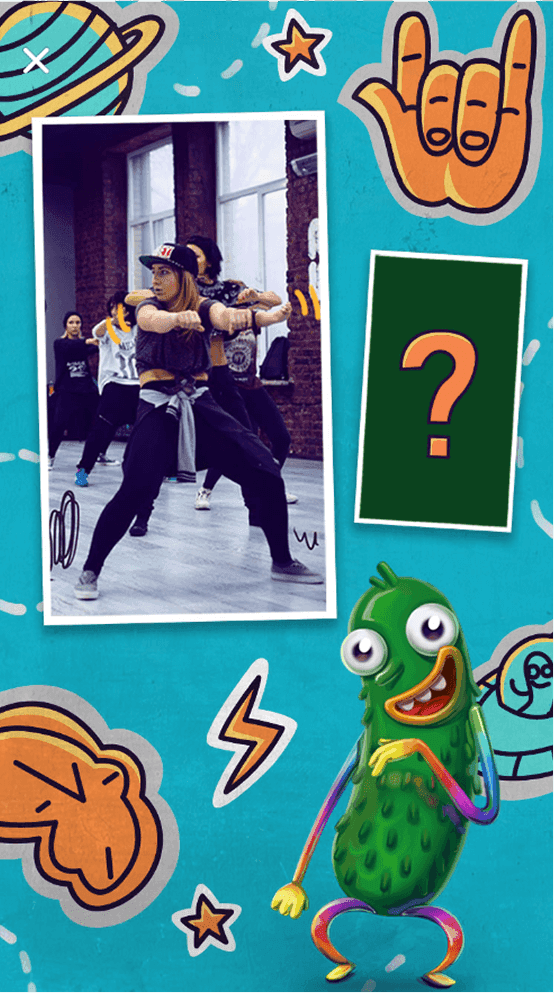
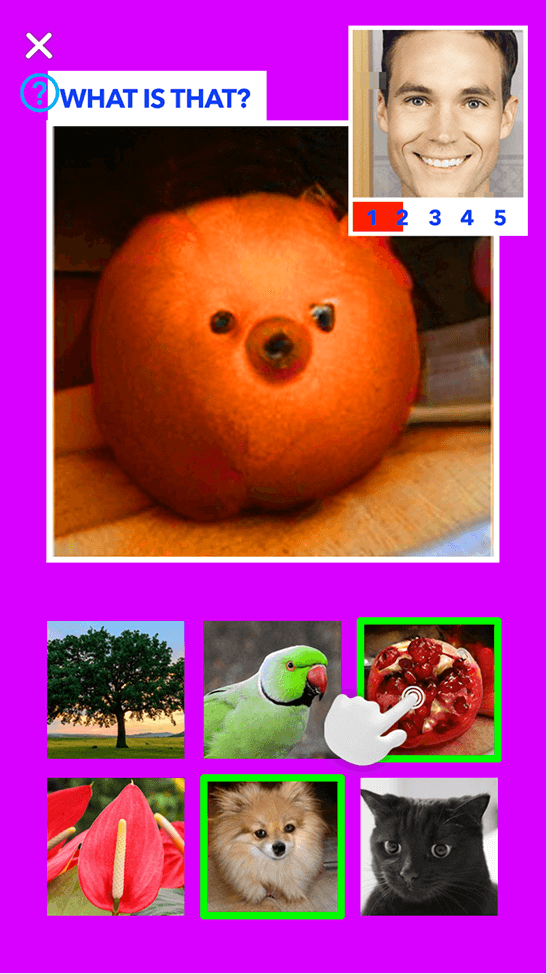
I explored emerging technologies such as AI-generated imagery as core gameplay mechanics. One concept invited players to guess which two images were combined to create a final AI-generated result, blending experimentation with social guessing formats.

Testing untried concepts of in-game mechanics
Many ideas had no precedent. Could users film themselves during a dancing challenge? Would characters remain visible from a distance? We tested extensively to validate usability, visibility, and delight before scaling.
Maintaining consistency through the flow
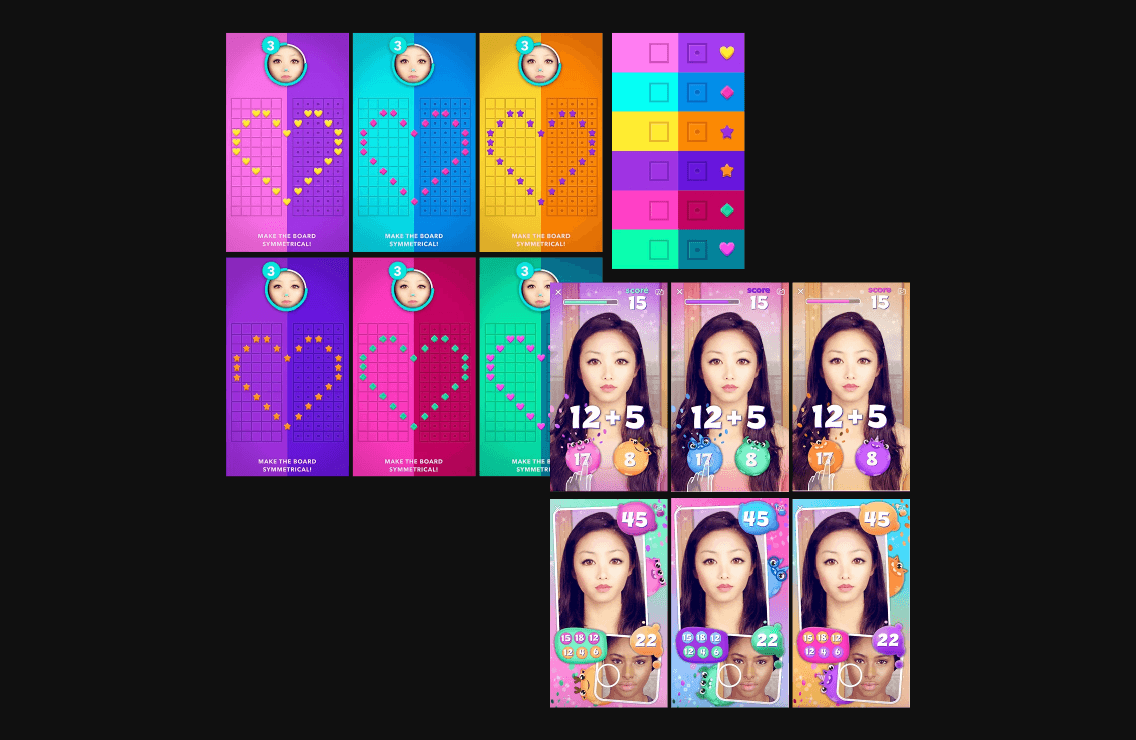
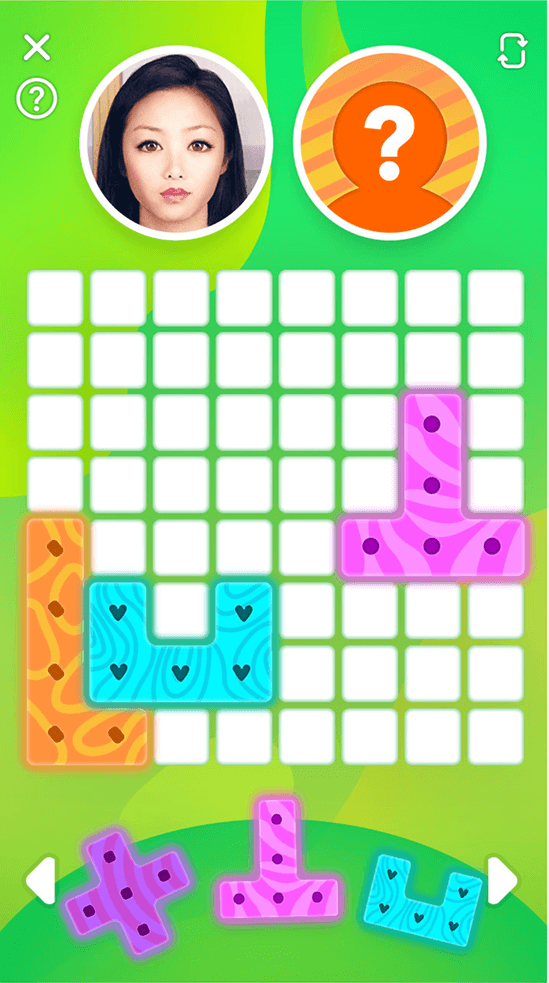
Each level required its own personality while adhering to a unified design system. I defined color logic, layout principles, and interaction patterns that scaled across variations, ensuring both freshness and cohesion.
Designing games with the player at the center
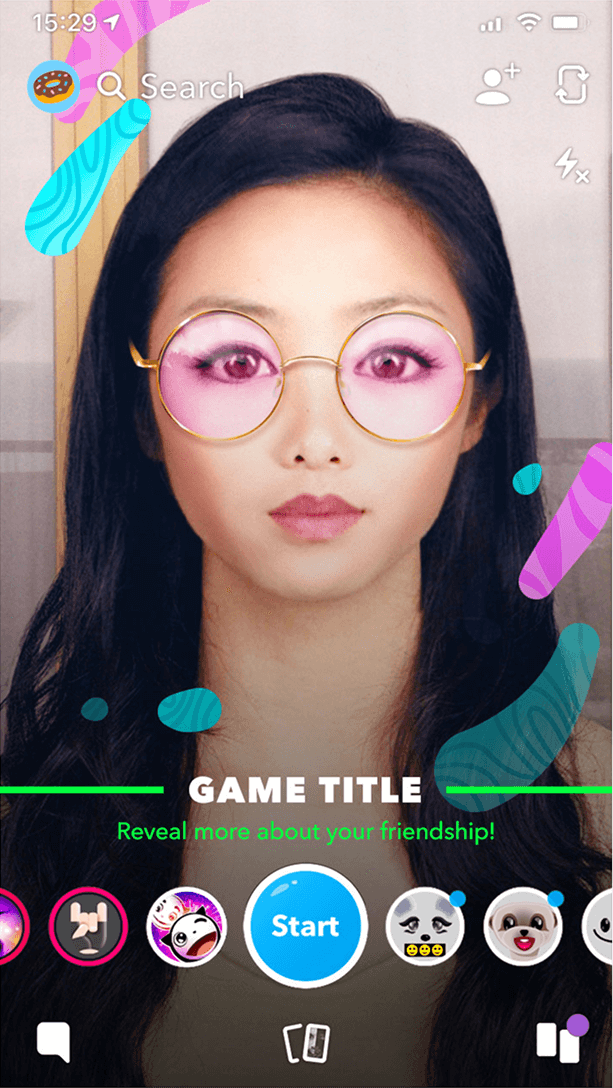
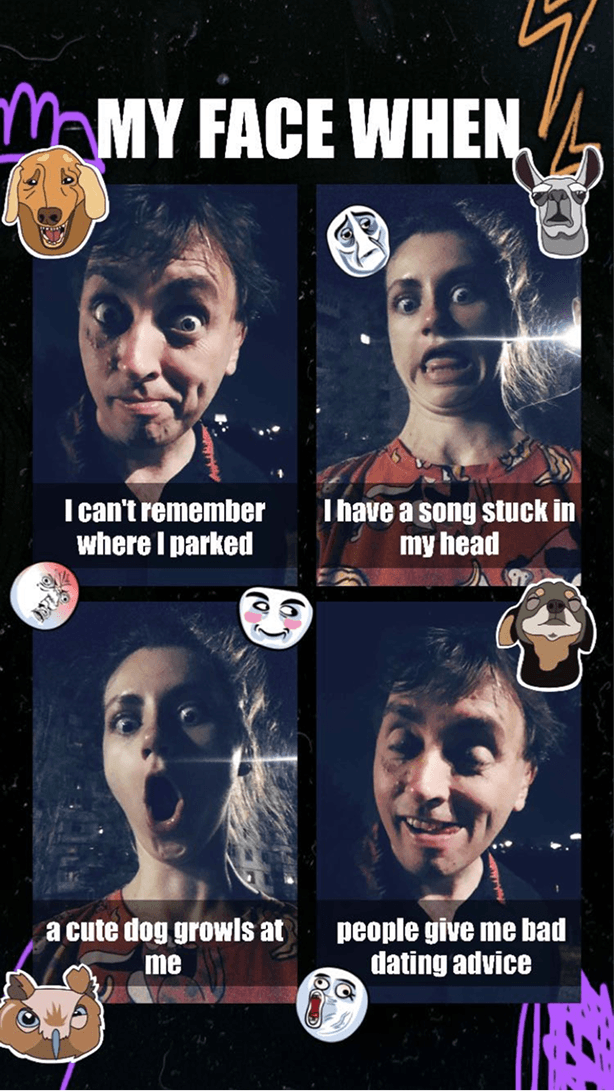
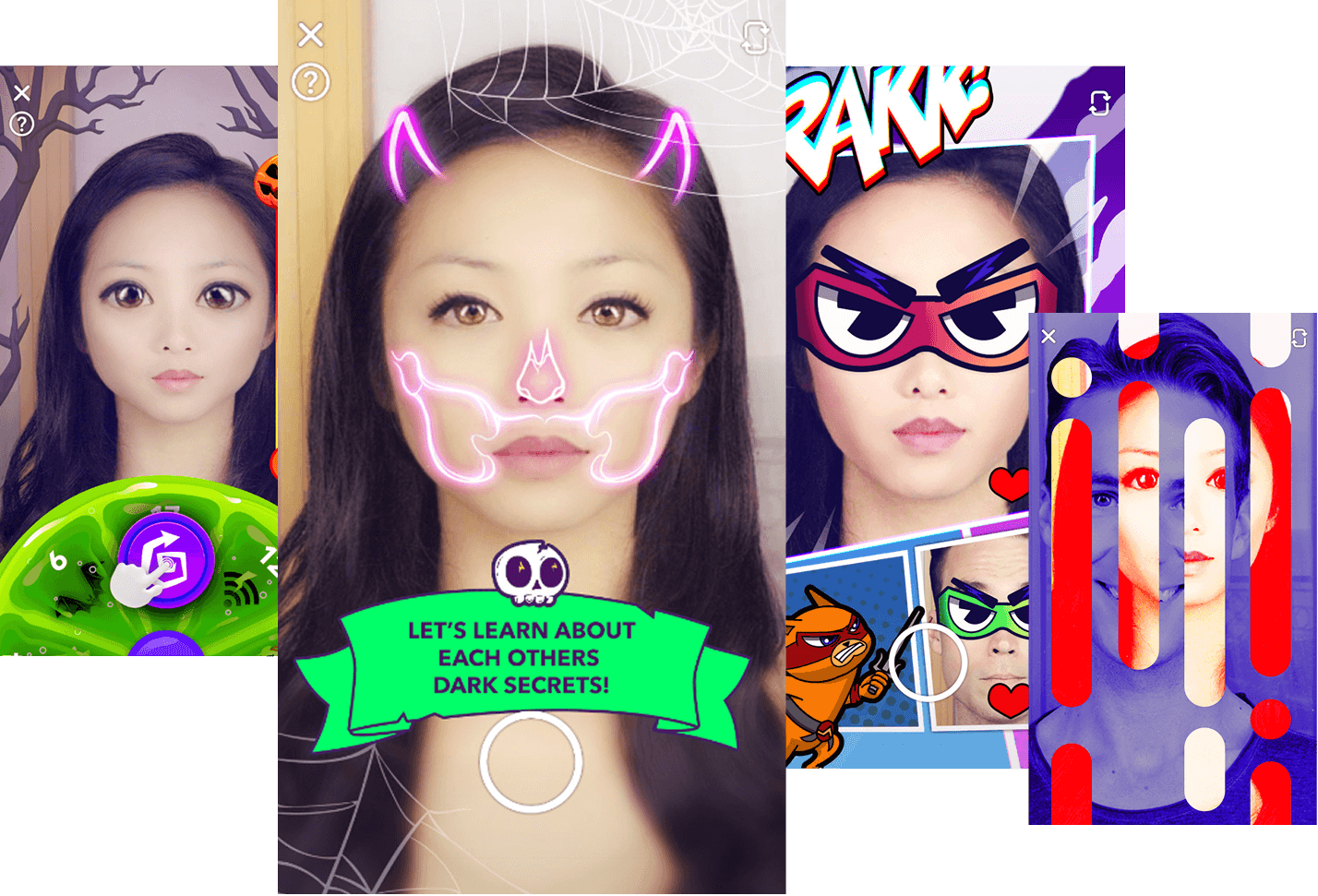
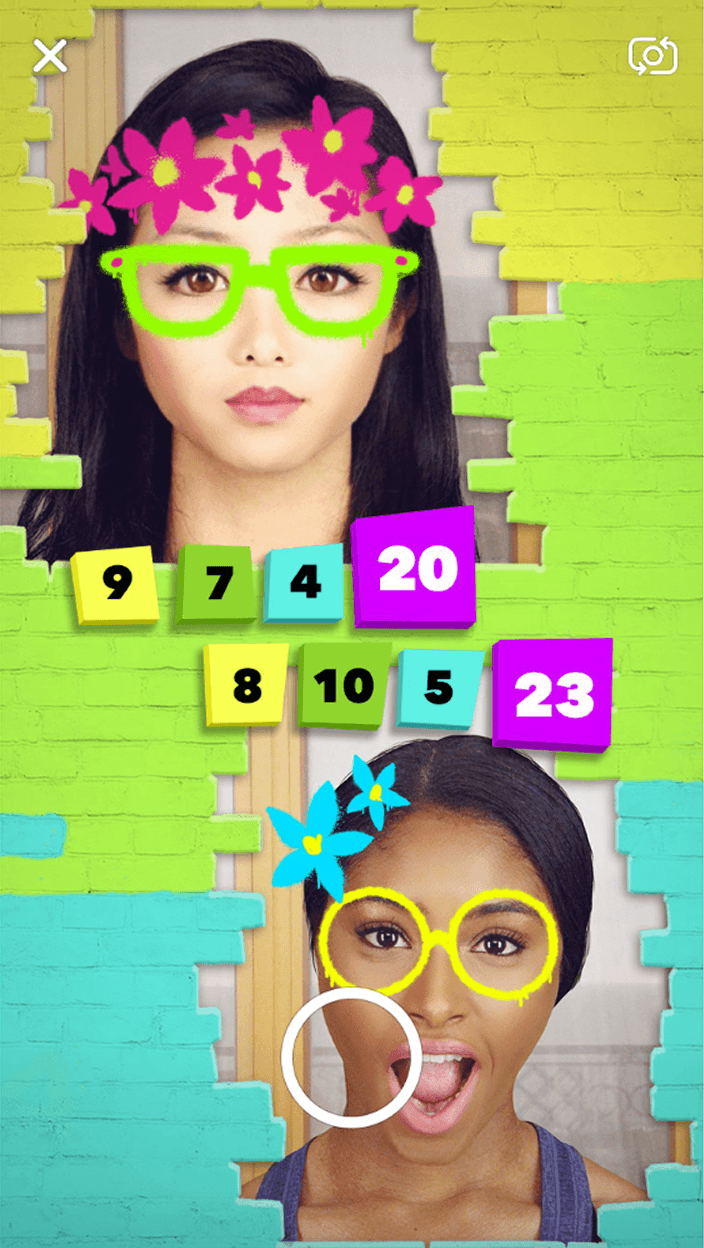
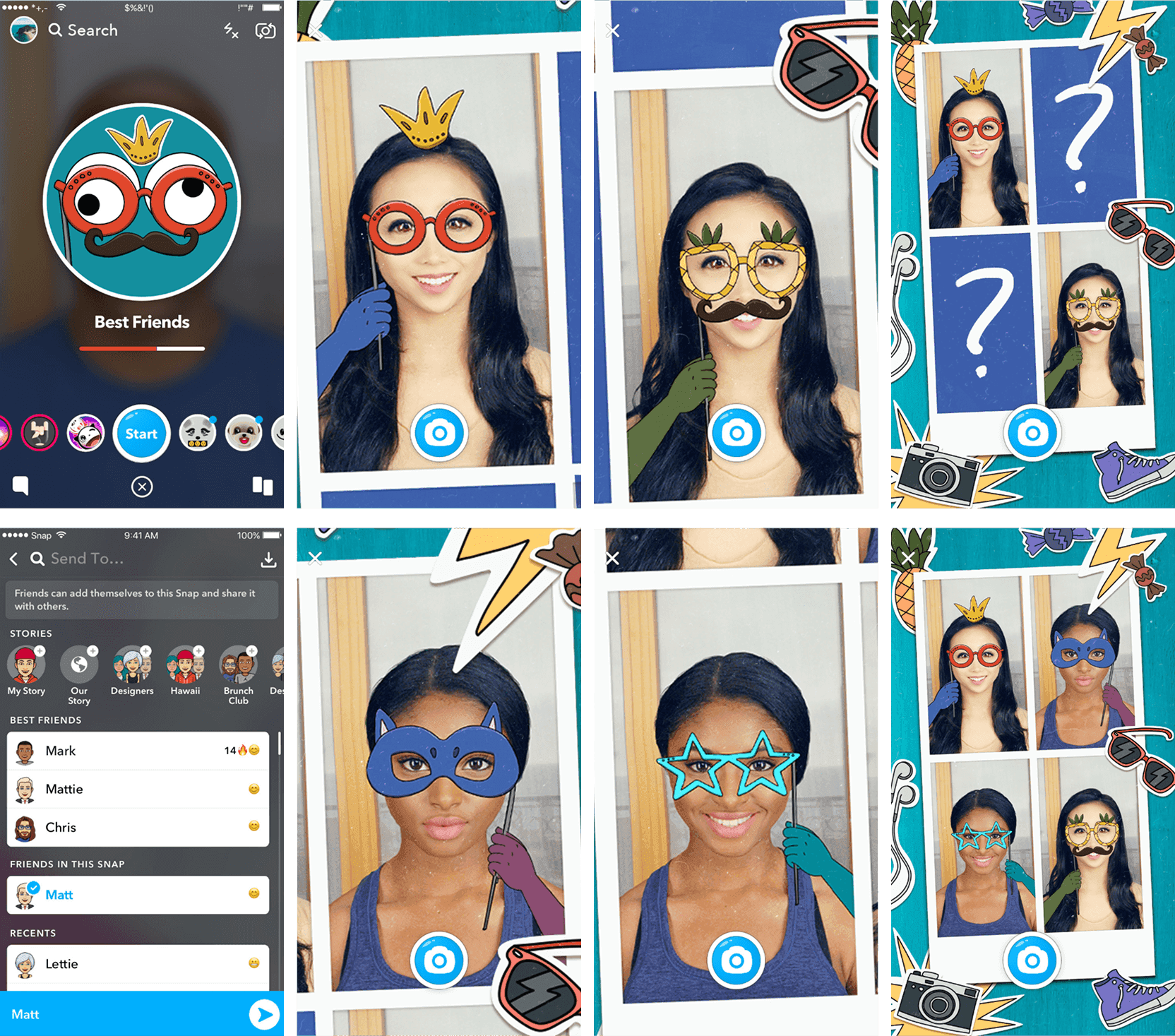
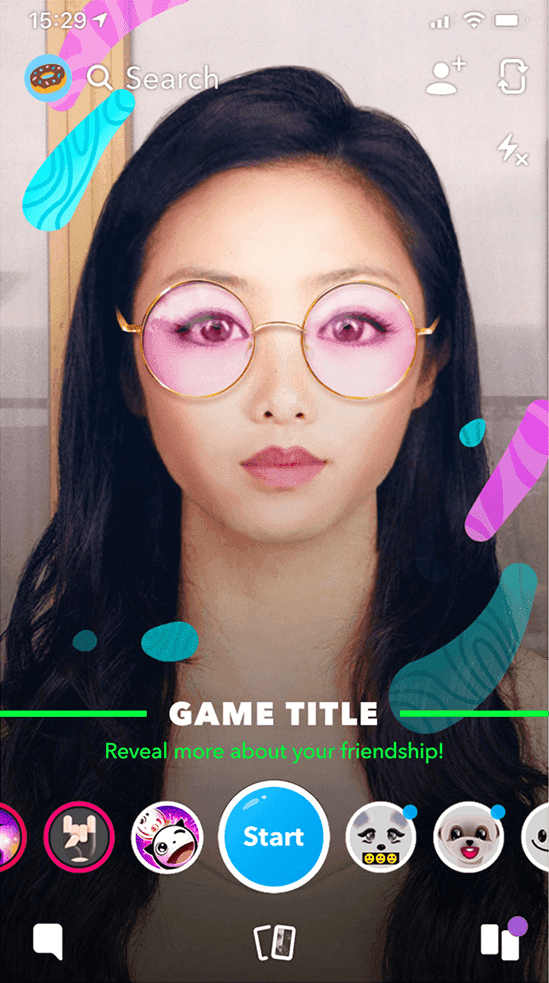
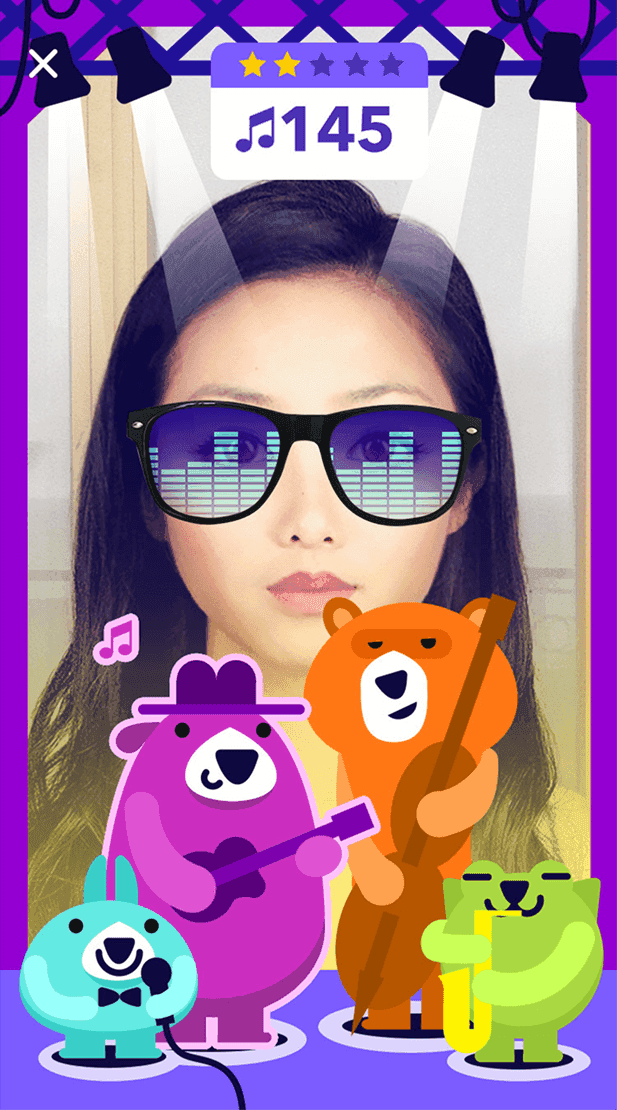
To make AR games truly social, the player had to be the protagonist. I leveraged face lenses and real-time visual feedback so progress, emotion, and competition were visible directly on the user’s face, increasing immersion and shareability.
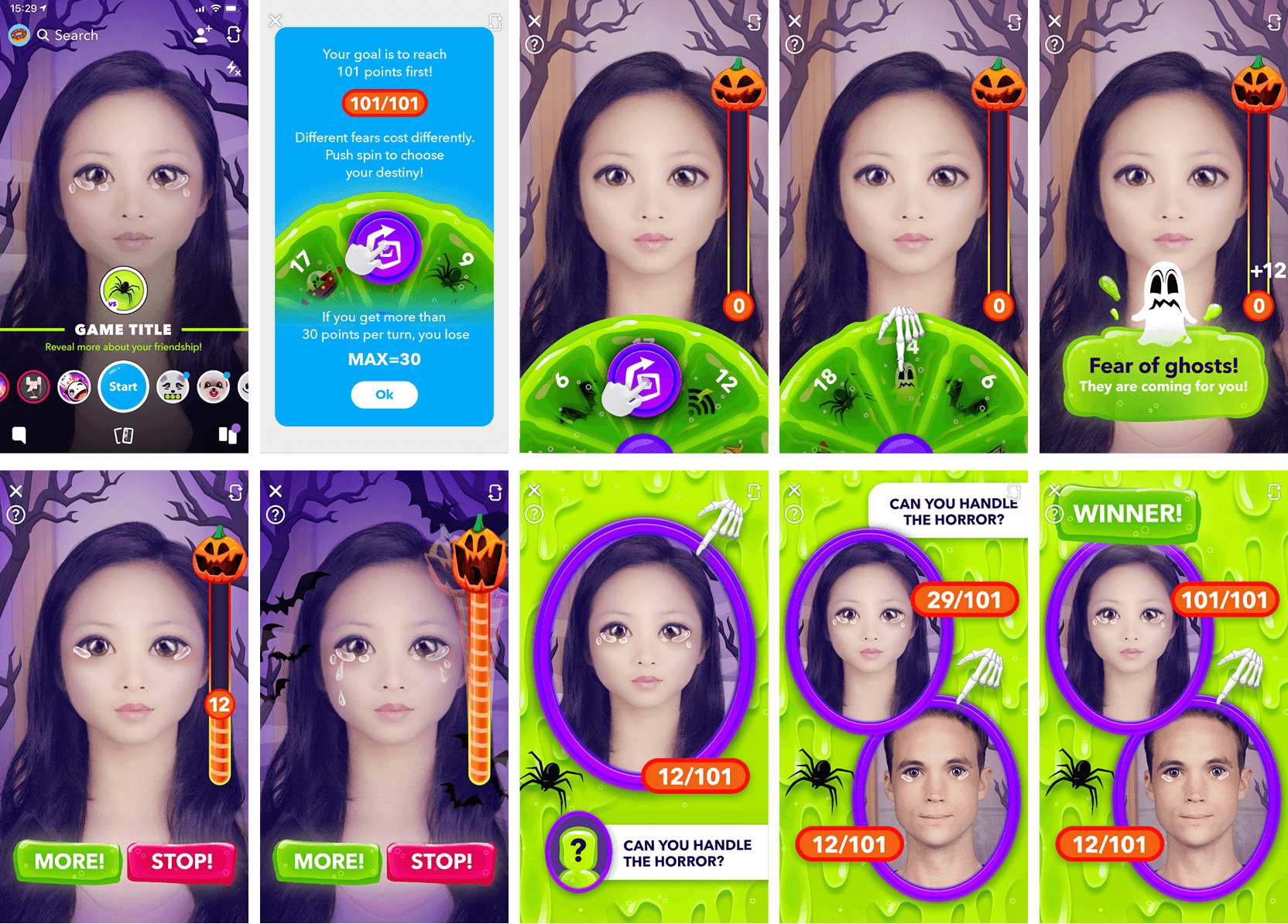
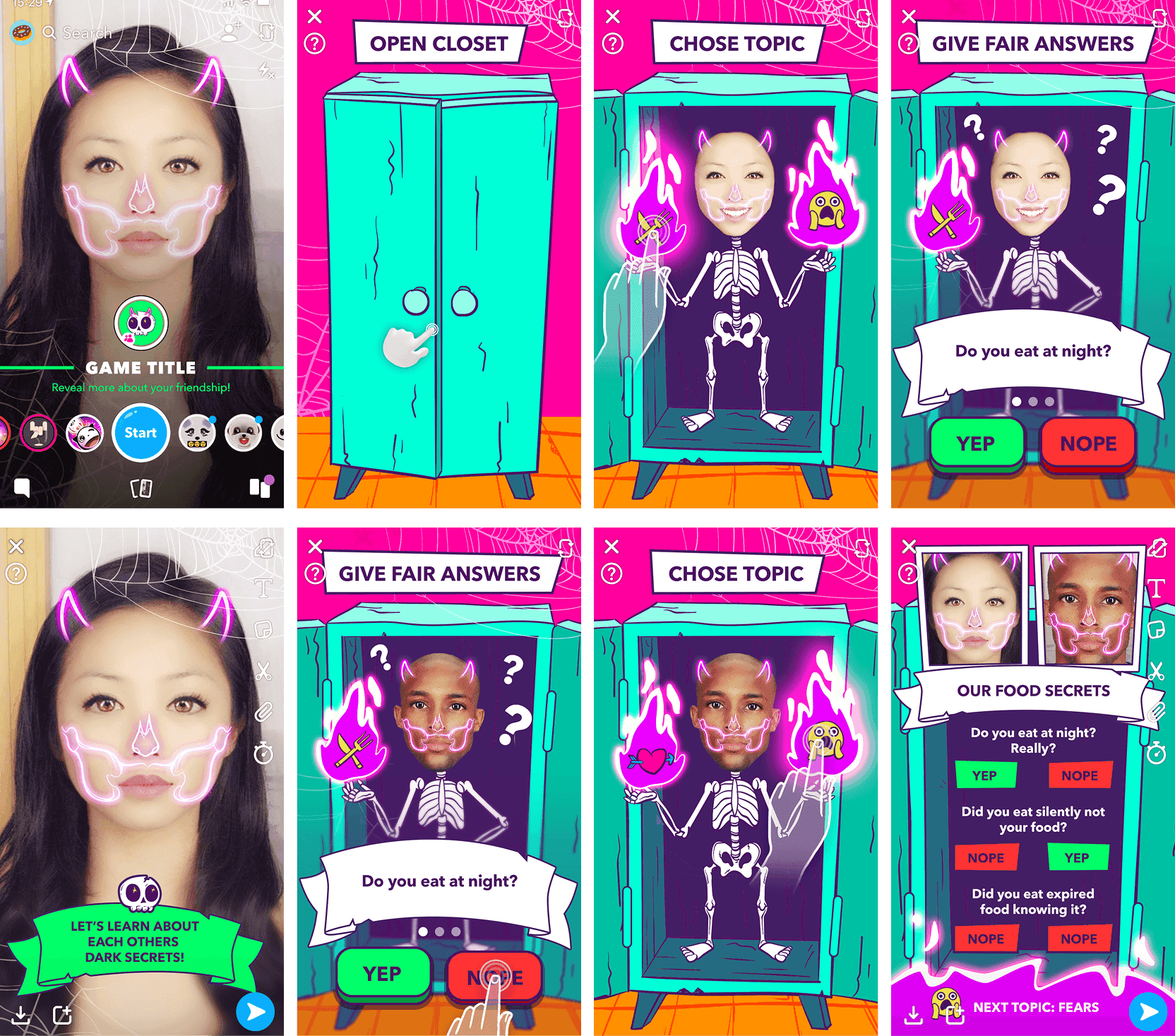
Letting users know each other better
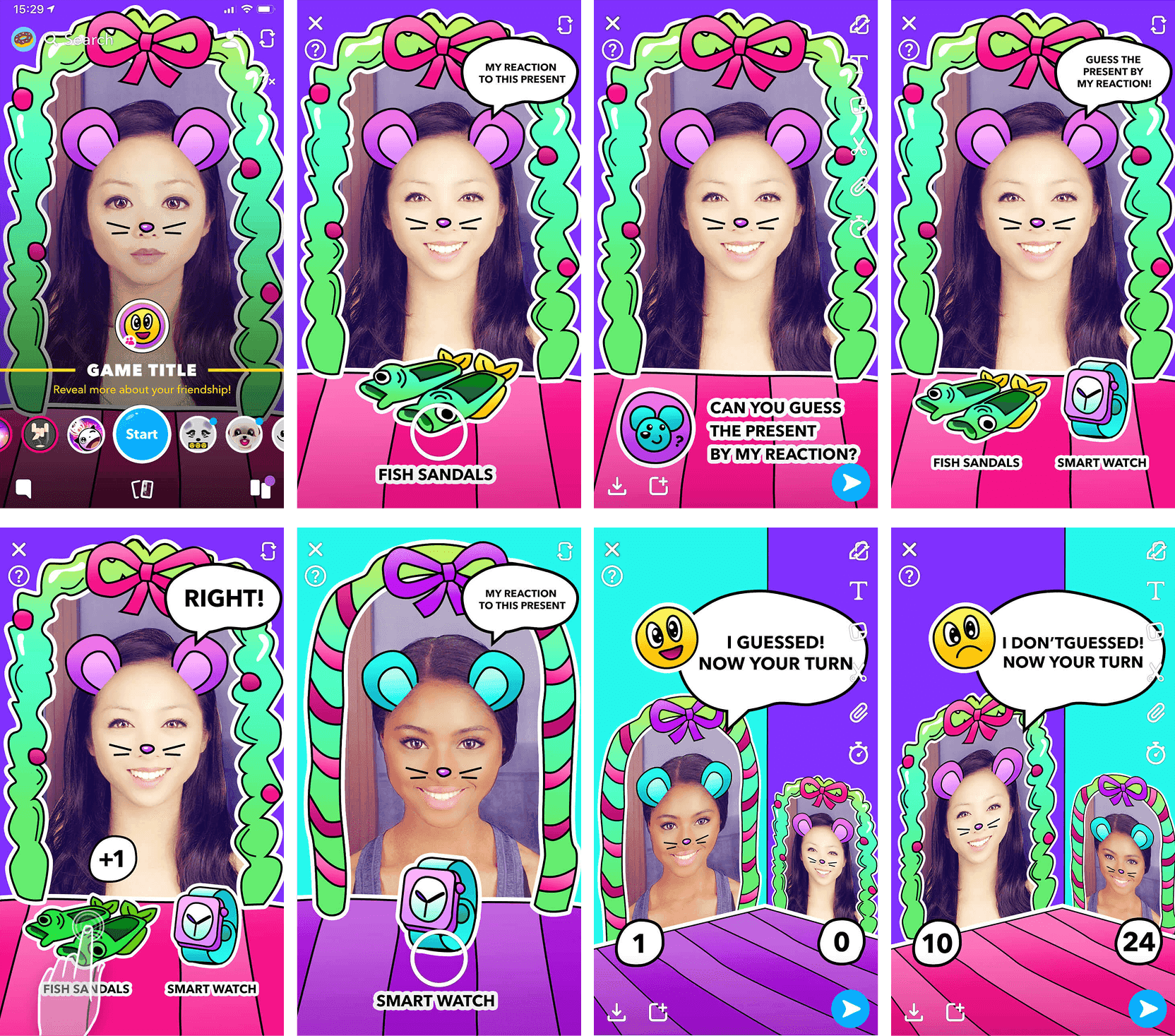
Many mechanics were designed to spark conversation. Through preference-based games, reaction challenges, and playful competition, users revealed personality traits and strengthened social bonds through light, low-friction play.r
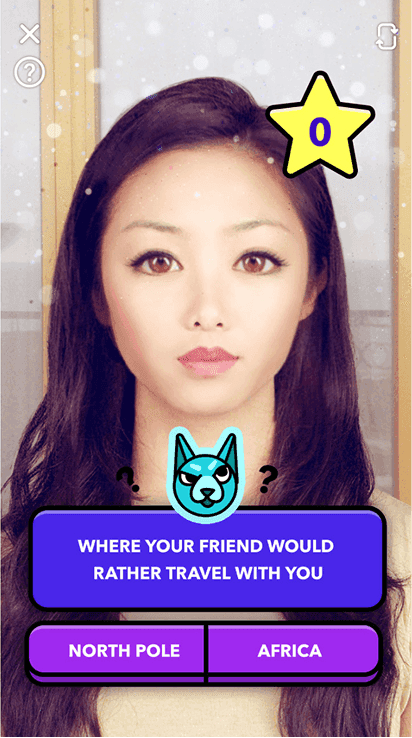
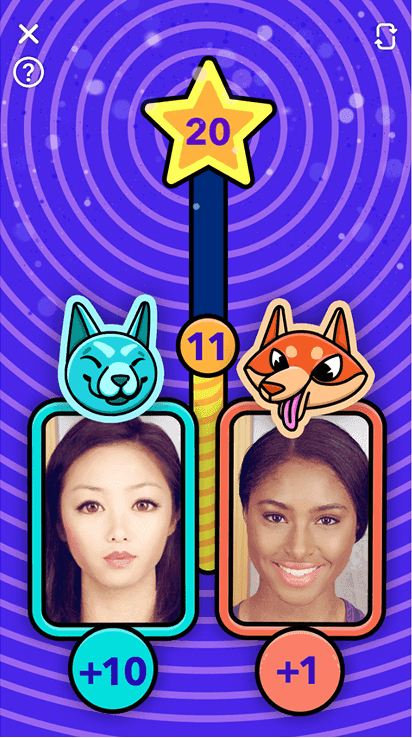
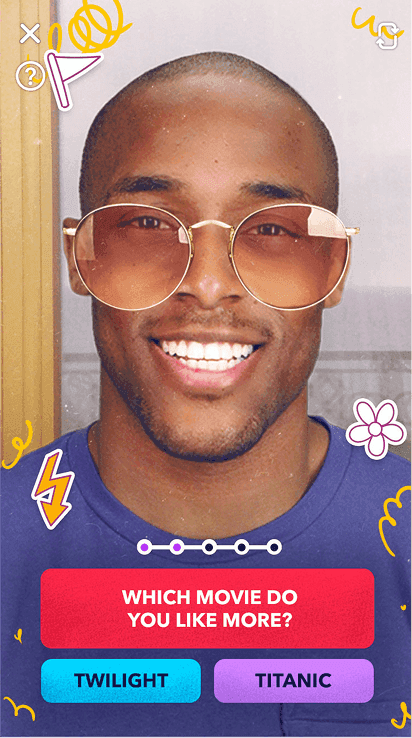

Designing games with the player at the center
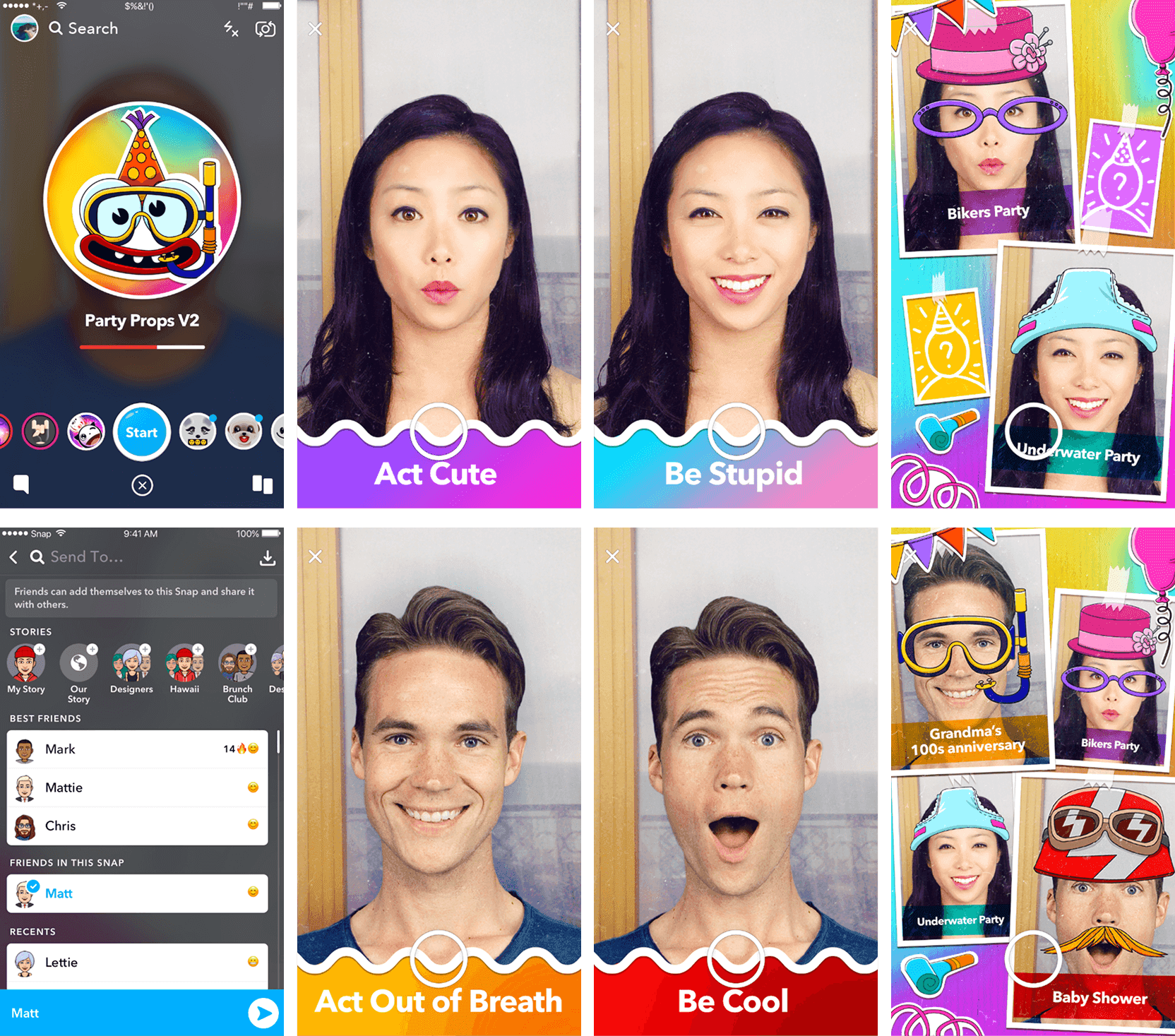
The camera became a canvas for emotion and identity. I created formats that encouraged users to express reactions, imitate memes, and exaggerate expressions, transforming passive viewing into active performance.
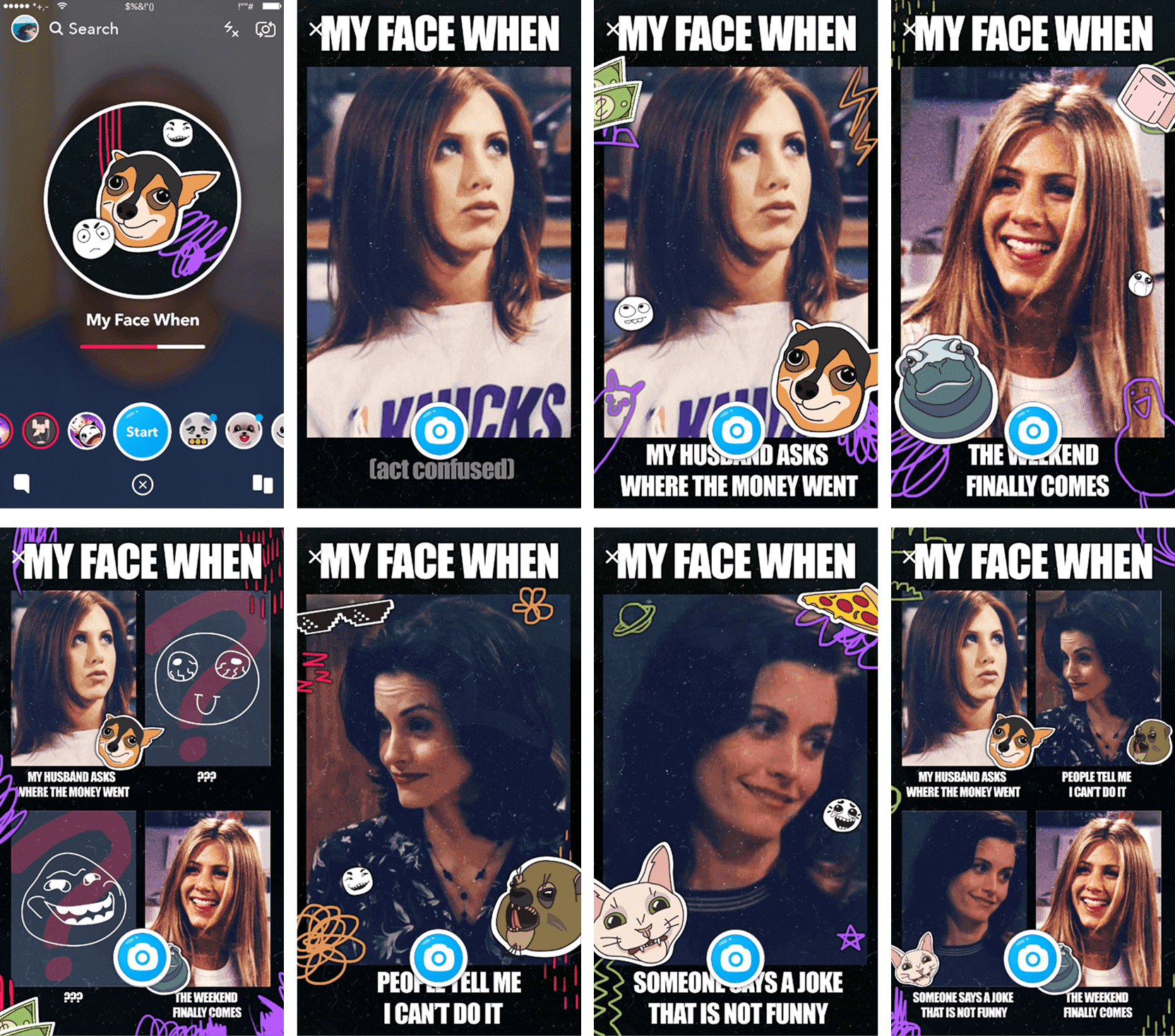
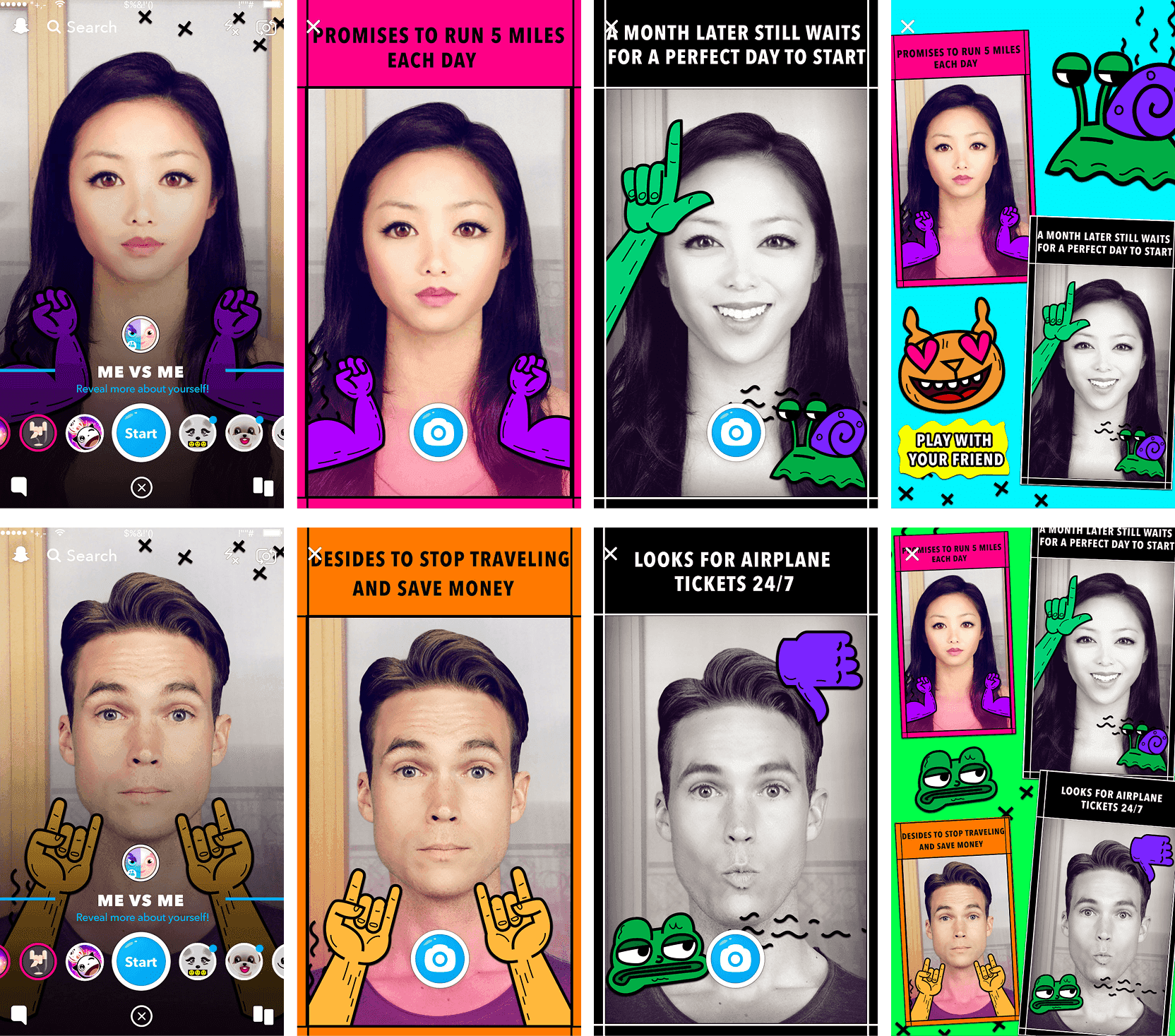
A/B Testing
We continuously tested mechanics, layouts, and visual styles. Insights from A/B testing informed live iterations and influenced future releases, grounding creative decisions in measurable behavior.
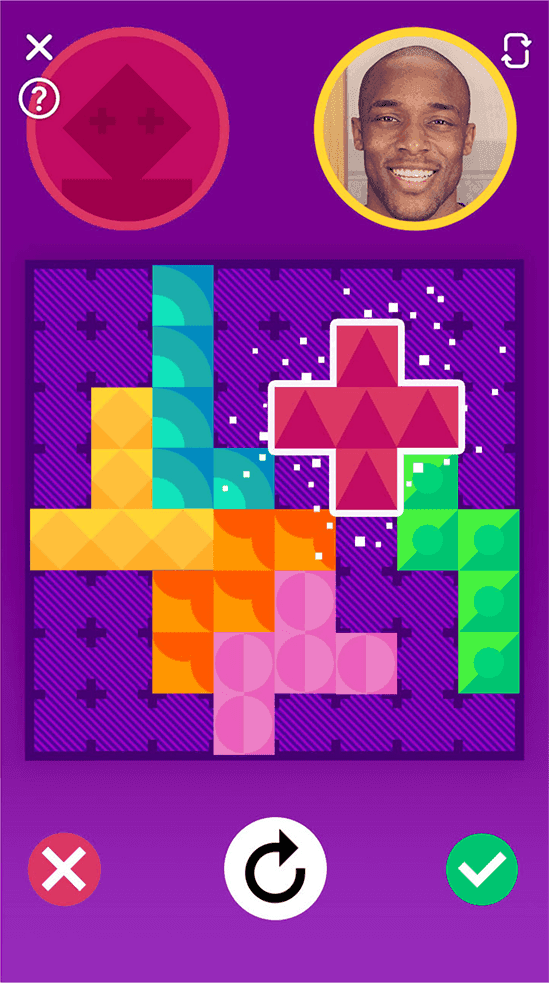
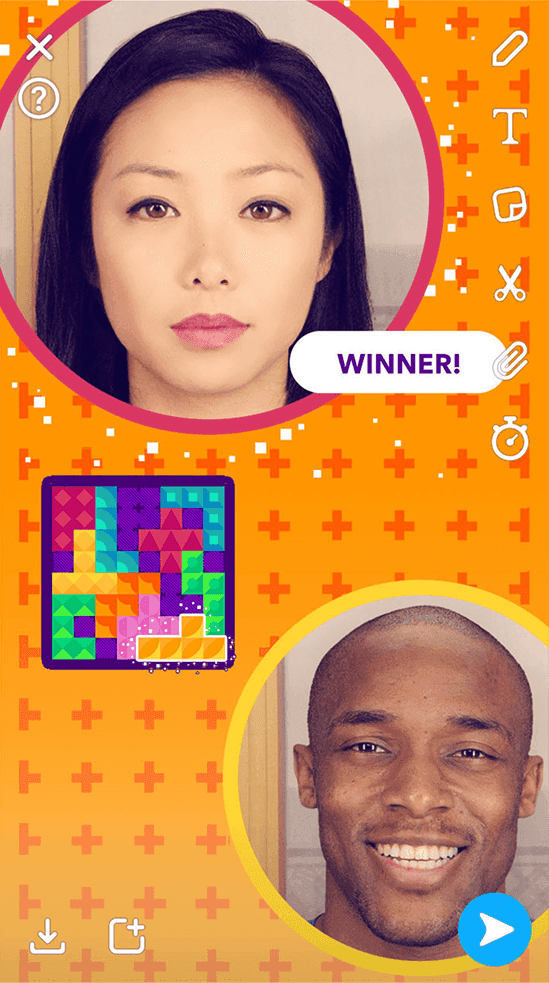
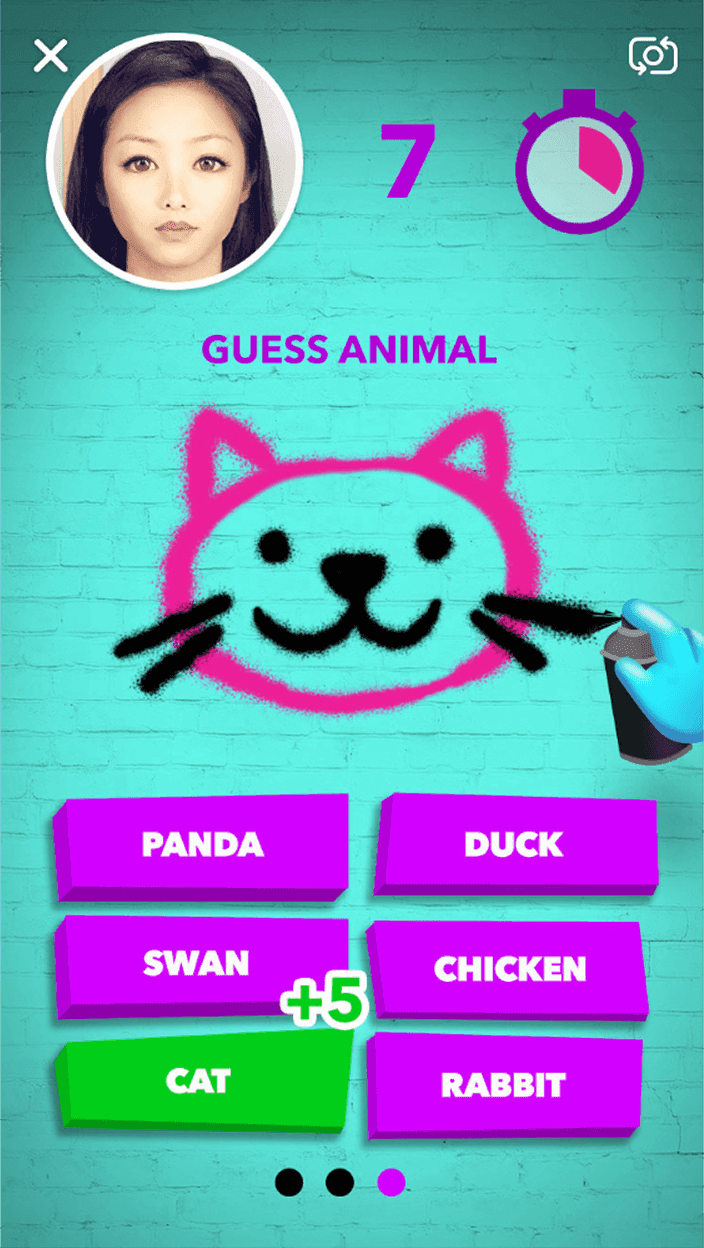
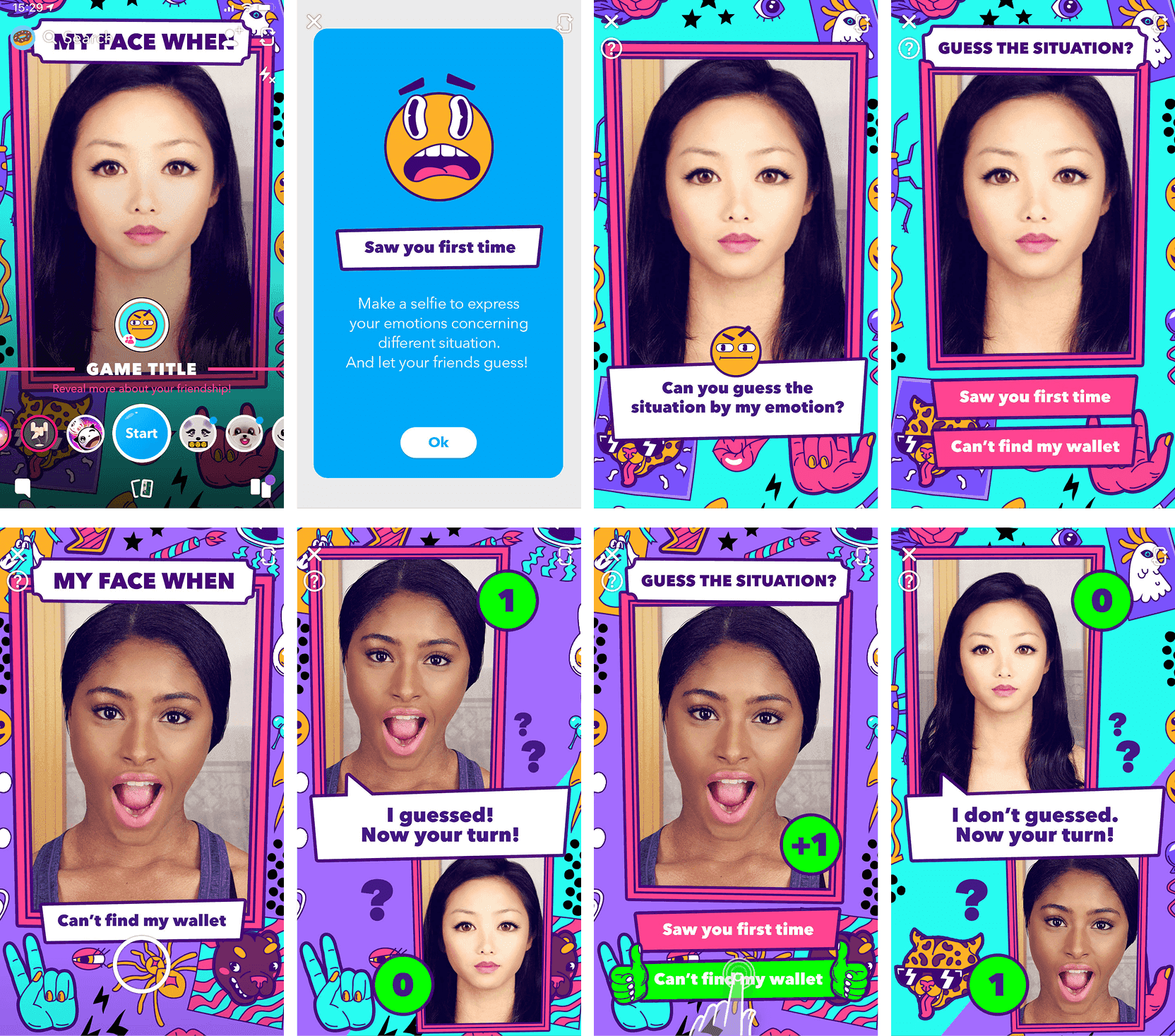
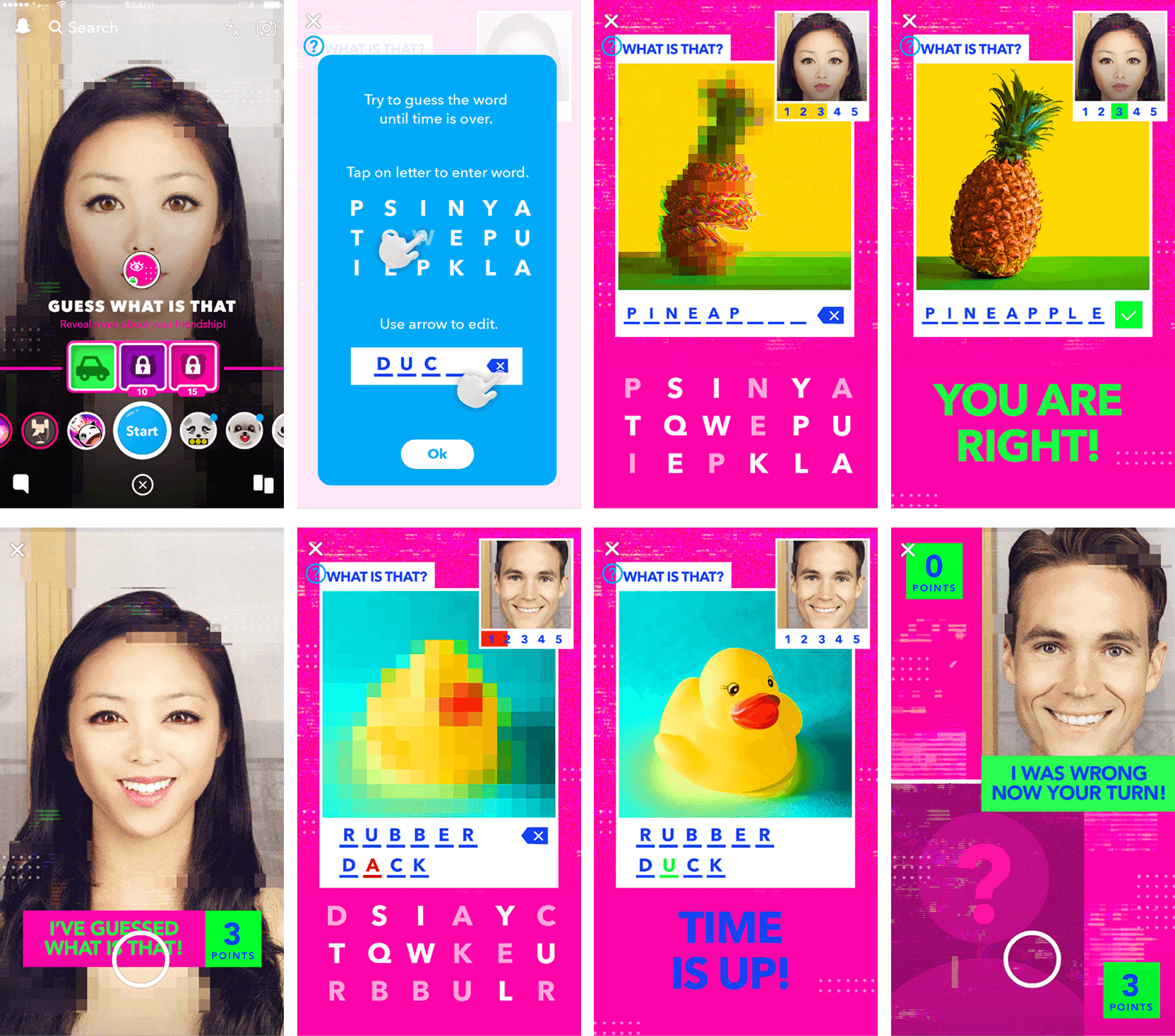
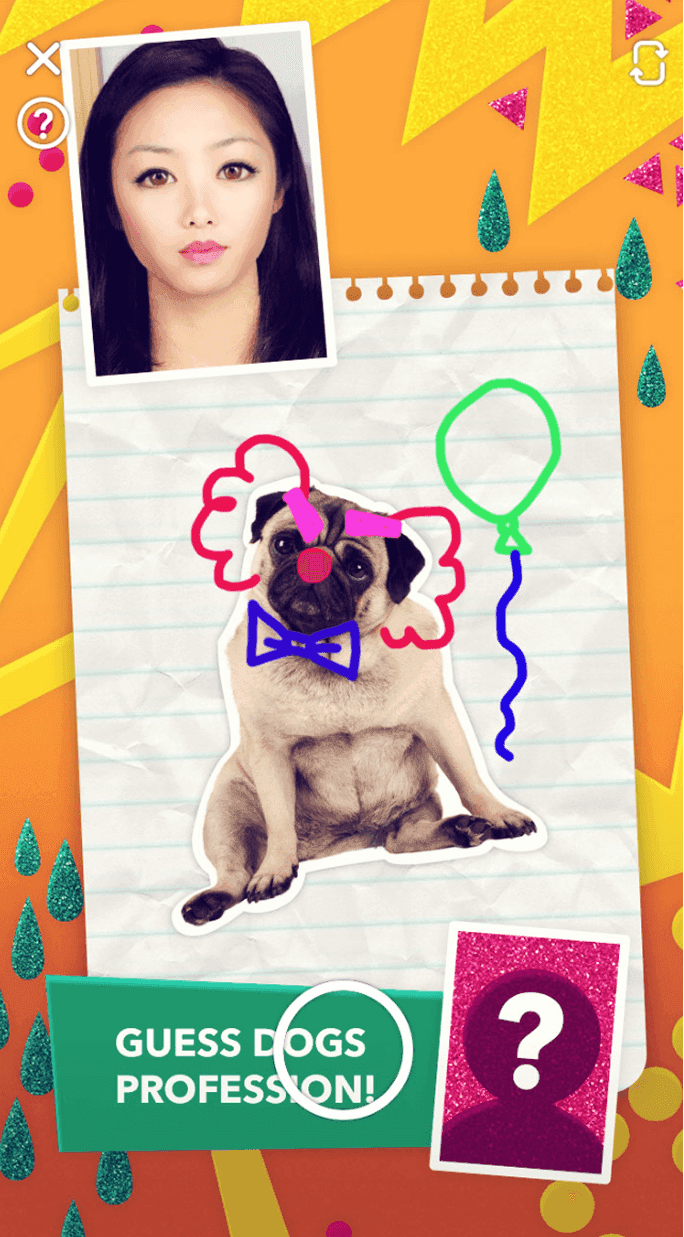
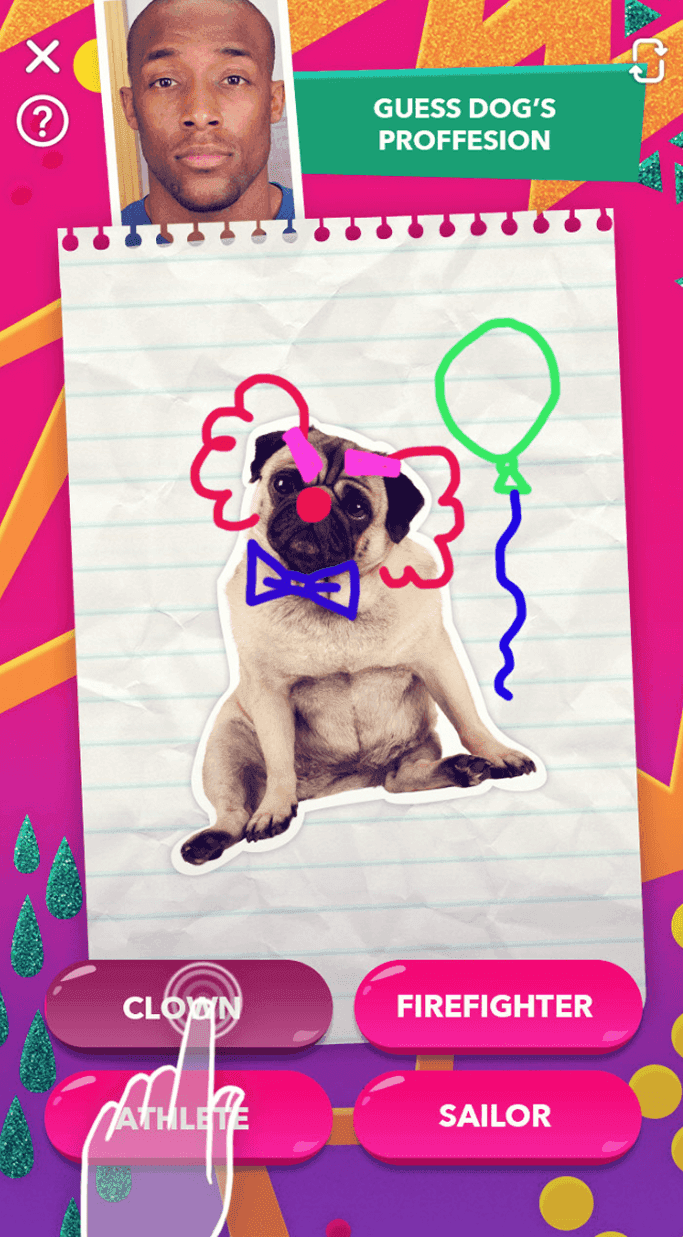
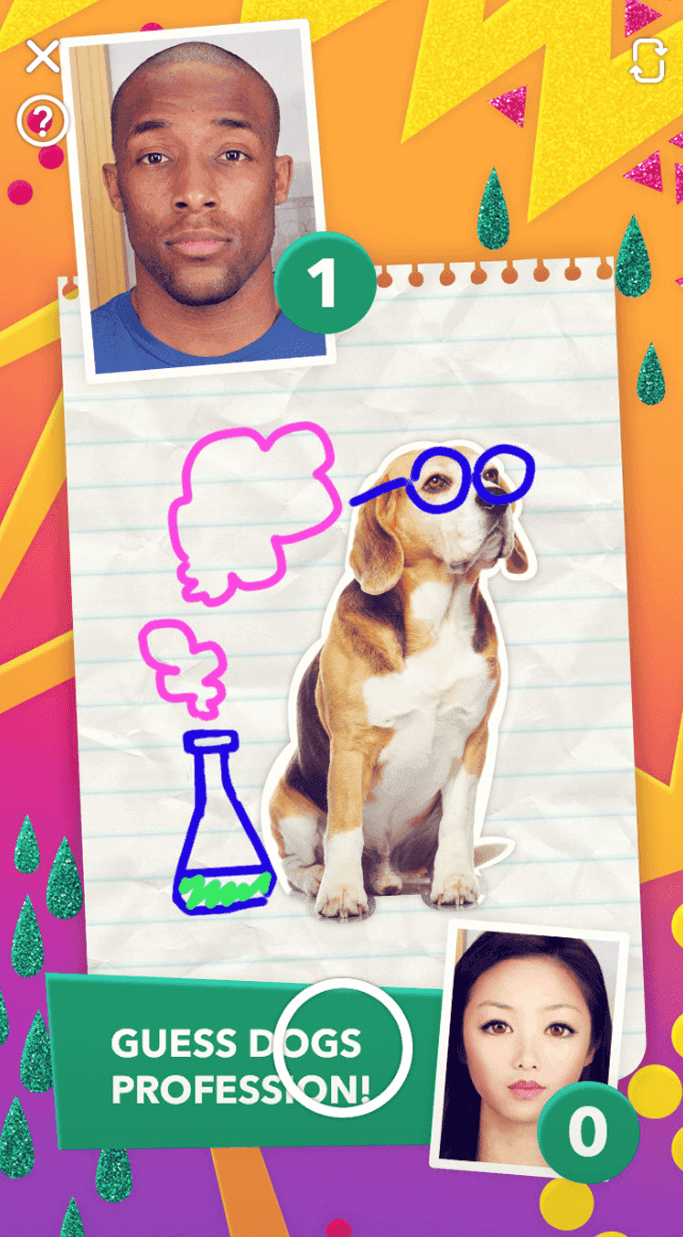
Let users have fun guessing
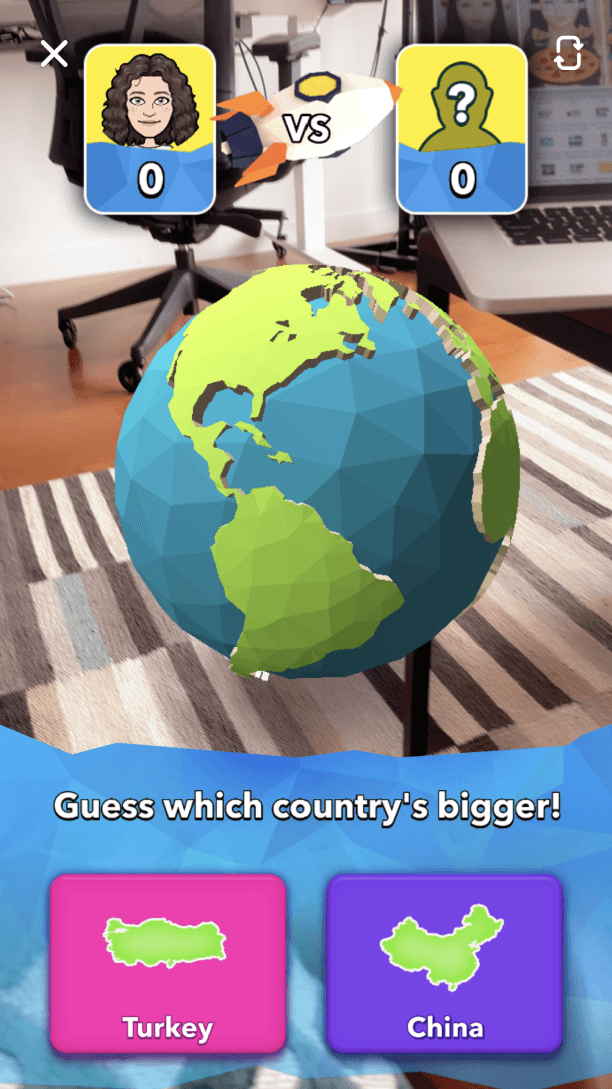
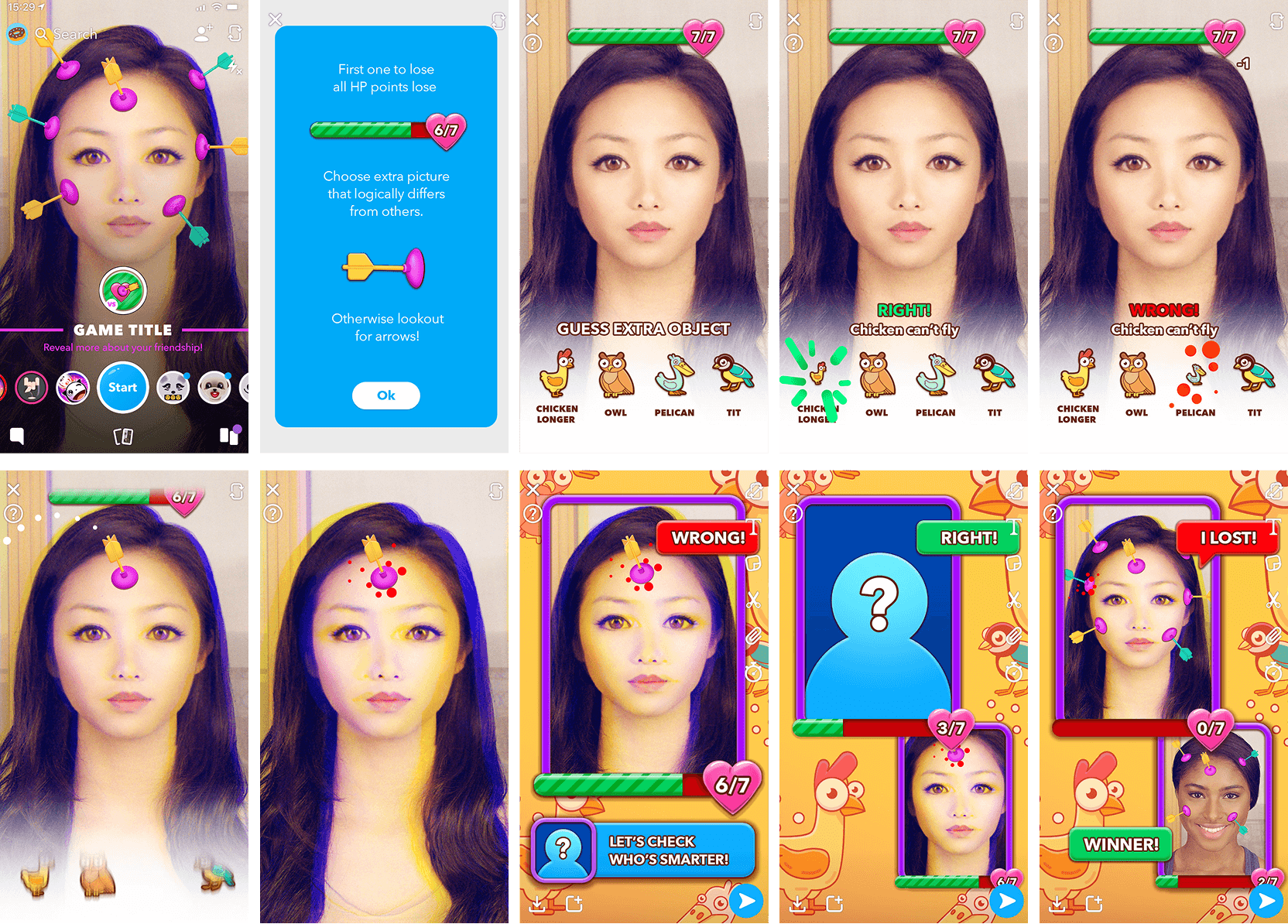
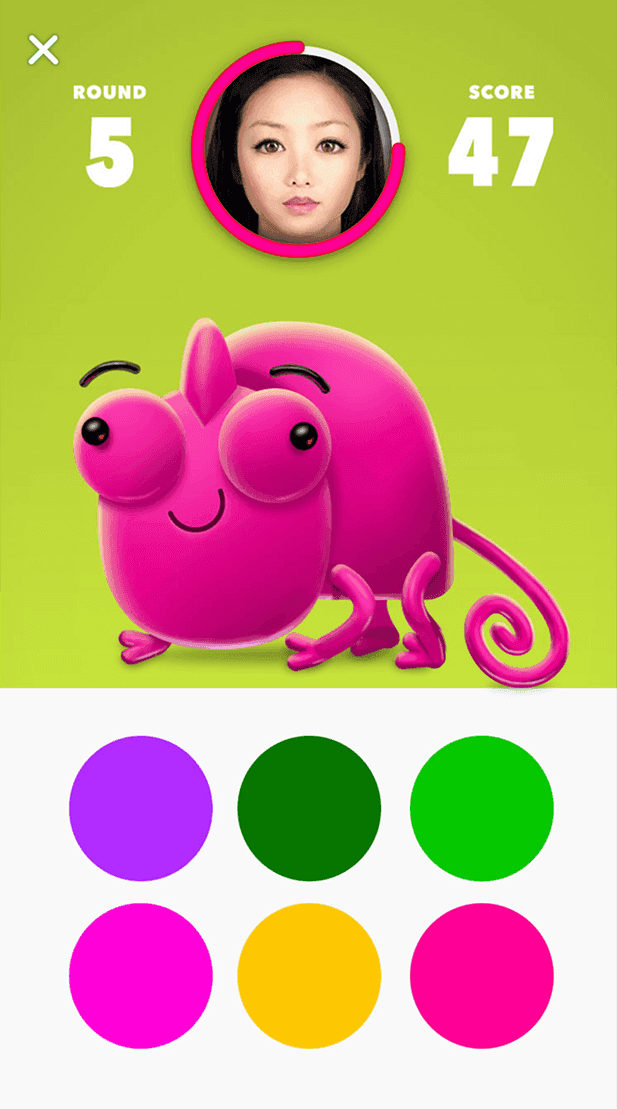
Guessing mechanics created instant tension and replay value. I designed feedback systems and pacing that made outcomes feel satisfying while maintaining a competitive, social experience.
Designing engaging characters
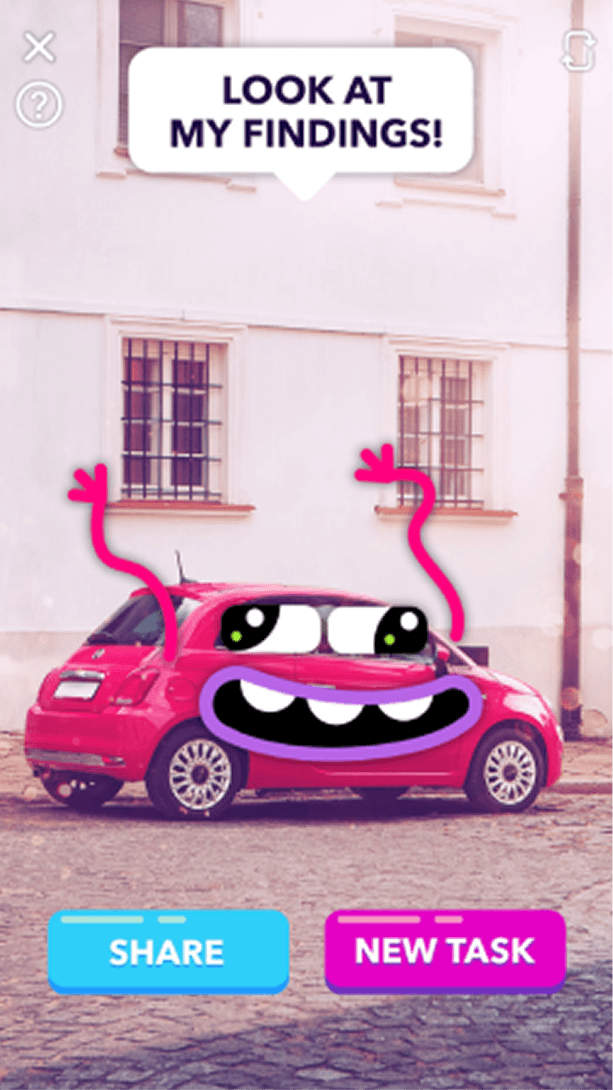
I developed character styles aligned with each game’s tone and audience. Working across illustration, animation, and 3D modeling teams, I ensured characters were expressive, memorable, and technically feasible.
Finding a creative way to use available resources
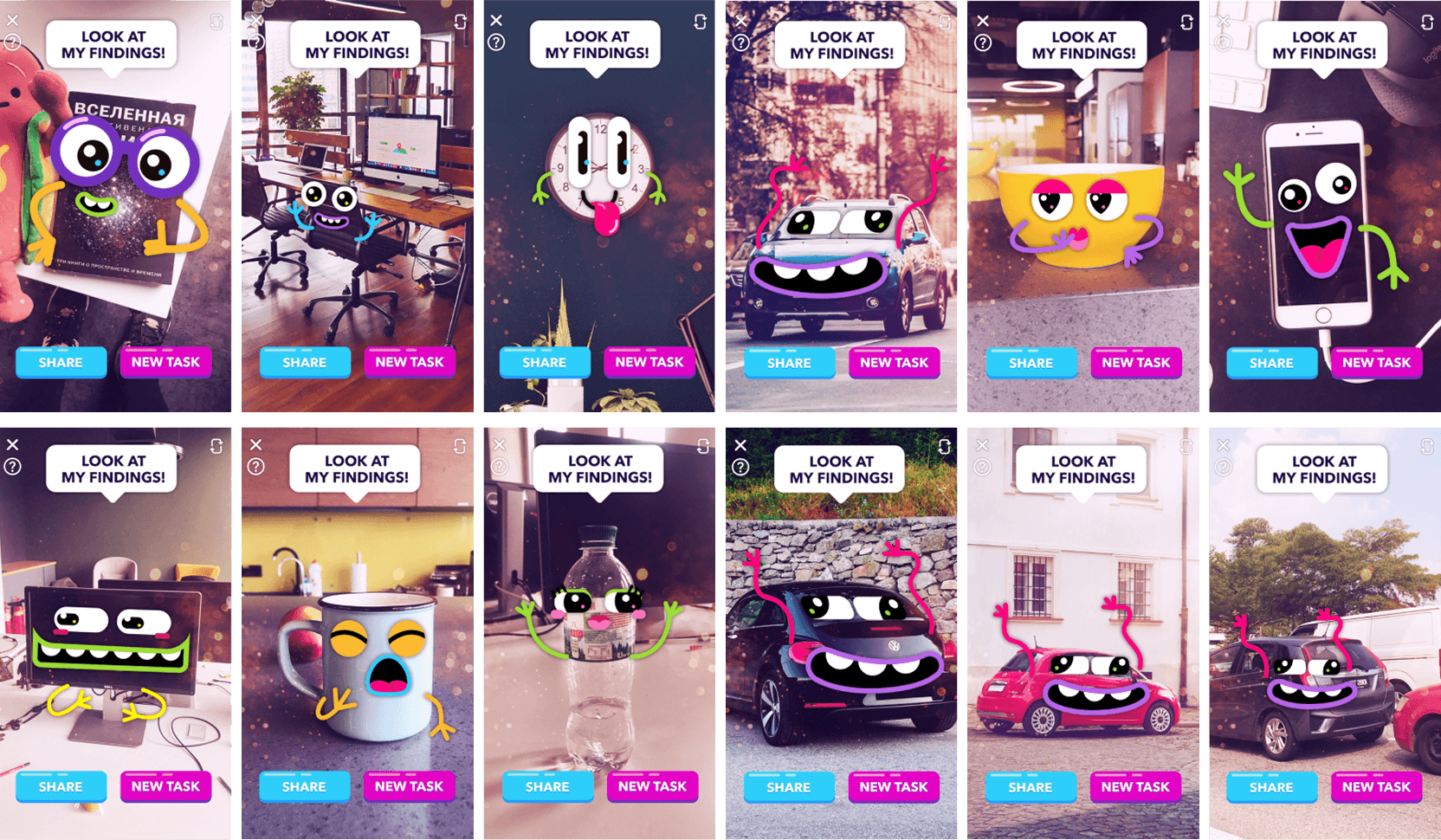
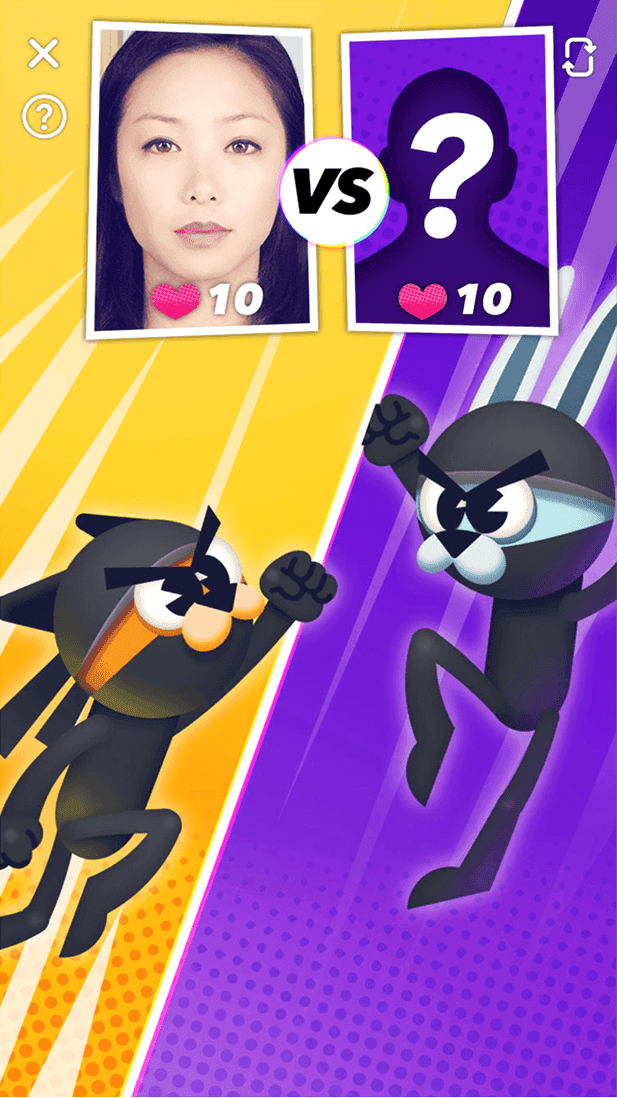
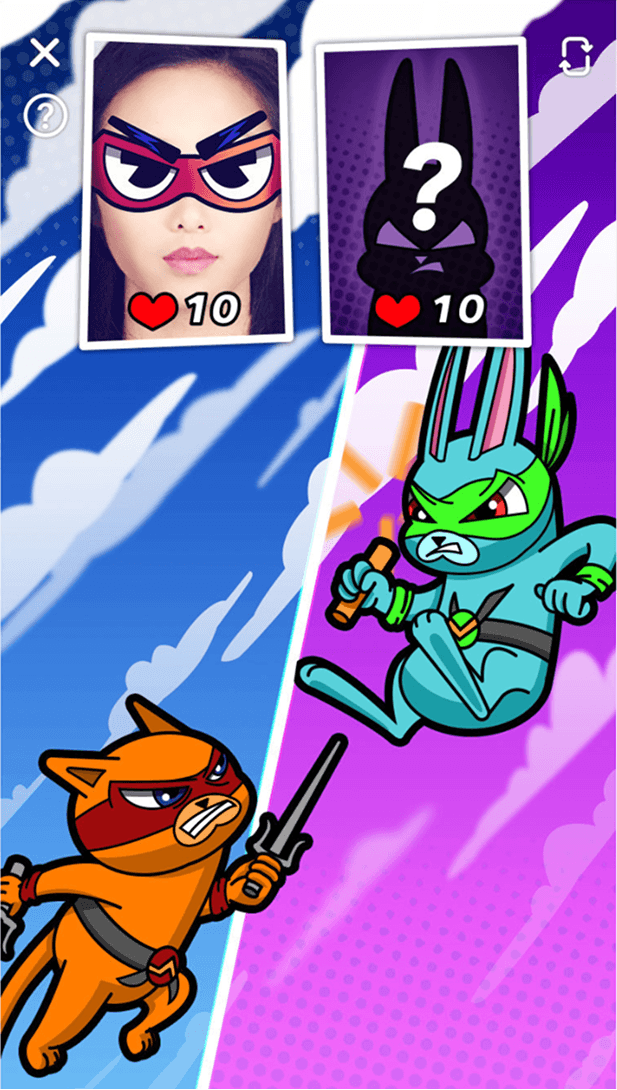
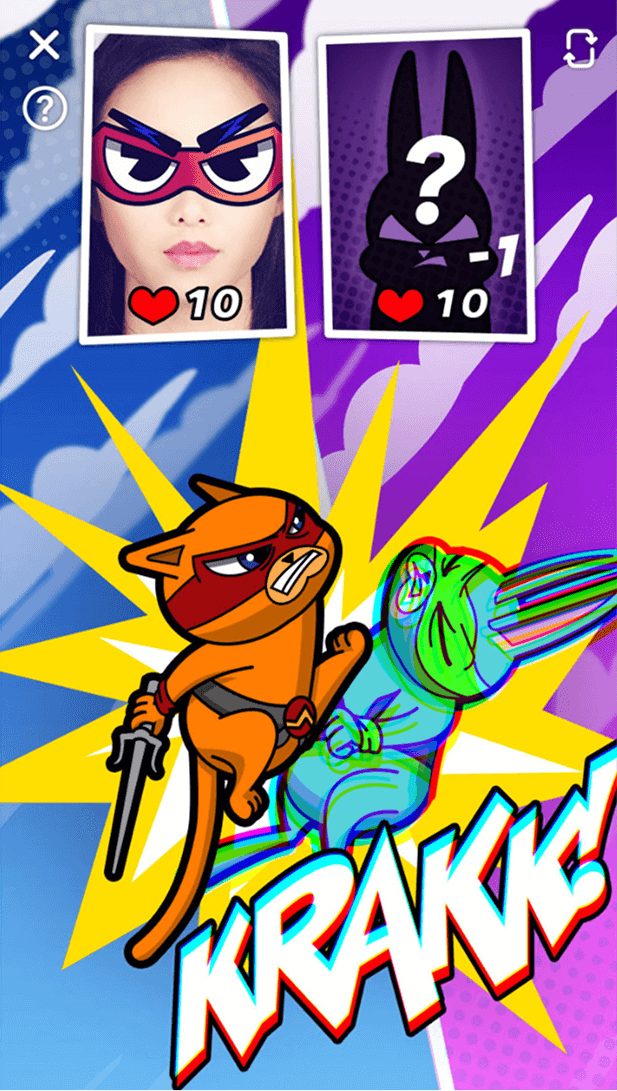
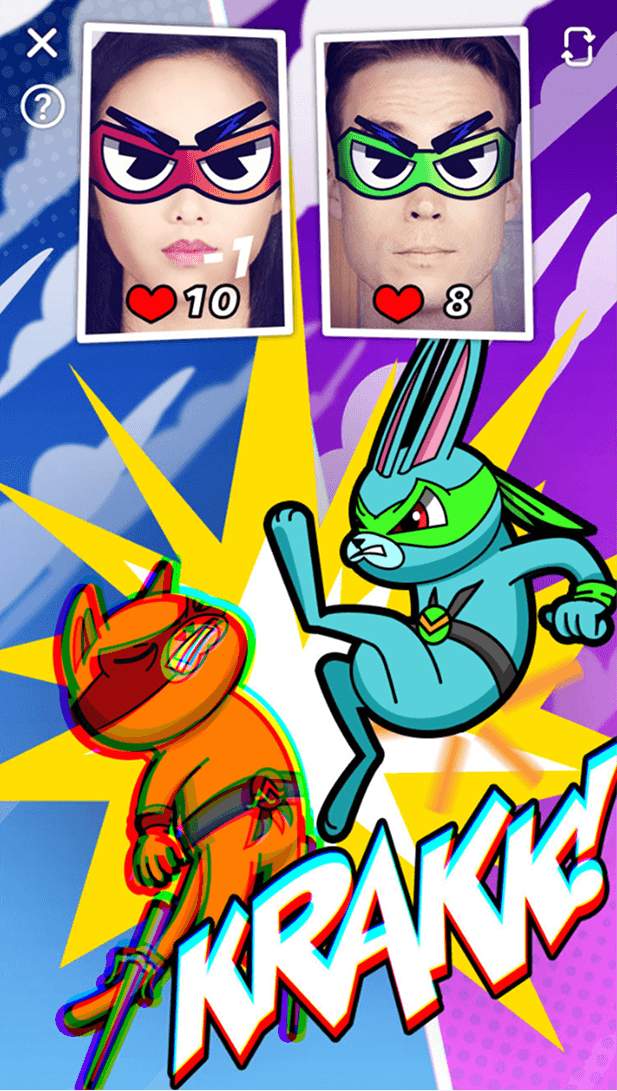
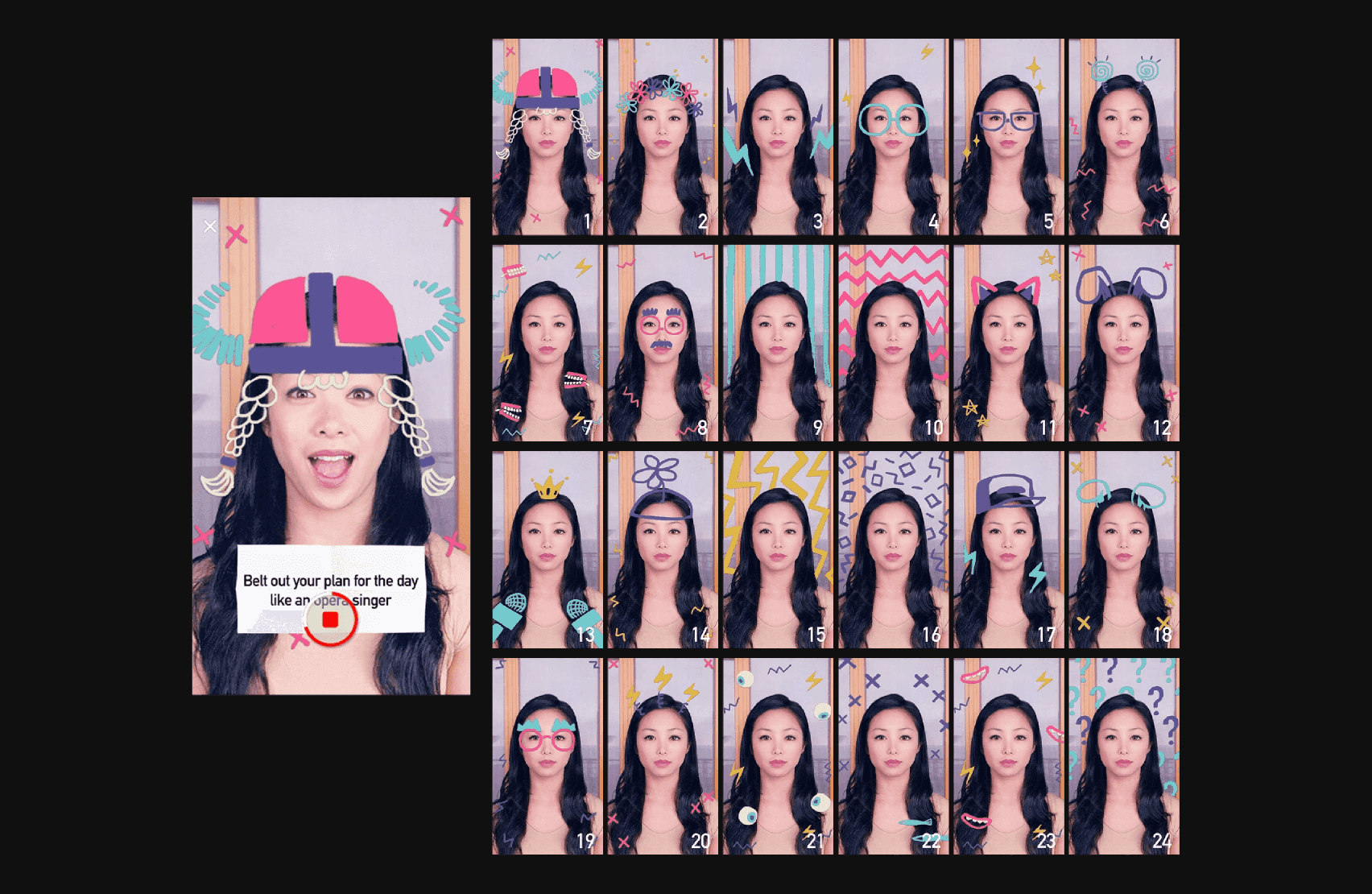
For a fully immersive gaming experience, a large number of lenses were needed. However, limited resources made it difficult to support heavy 3D assets within a single game. To address this, I analyzed lens statistics and usage data and identified an opportunity to shift toward 2D cartoon lenses. After presenting the concept to the product owner and securing approval, I designed 24 lightweight, phone-friendly lenses that paired with over 100 written challenges, improving scalability while maintaining a fun and cohesive experience.
Working with brands
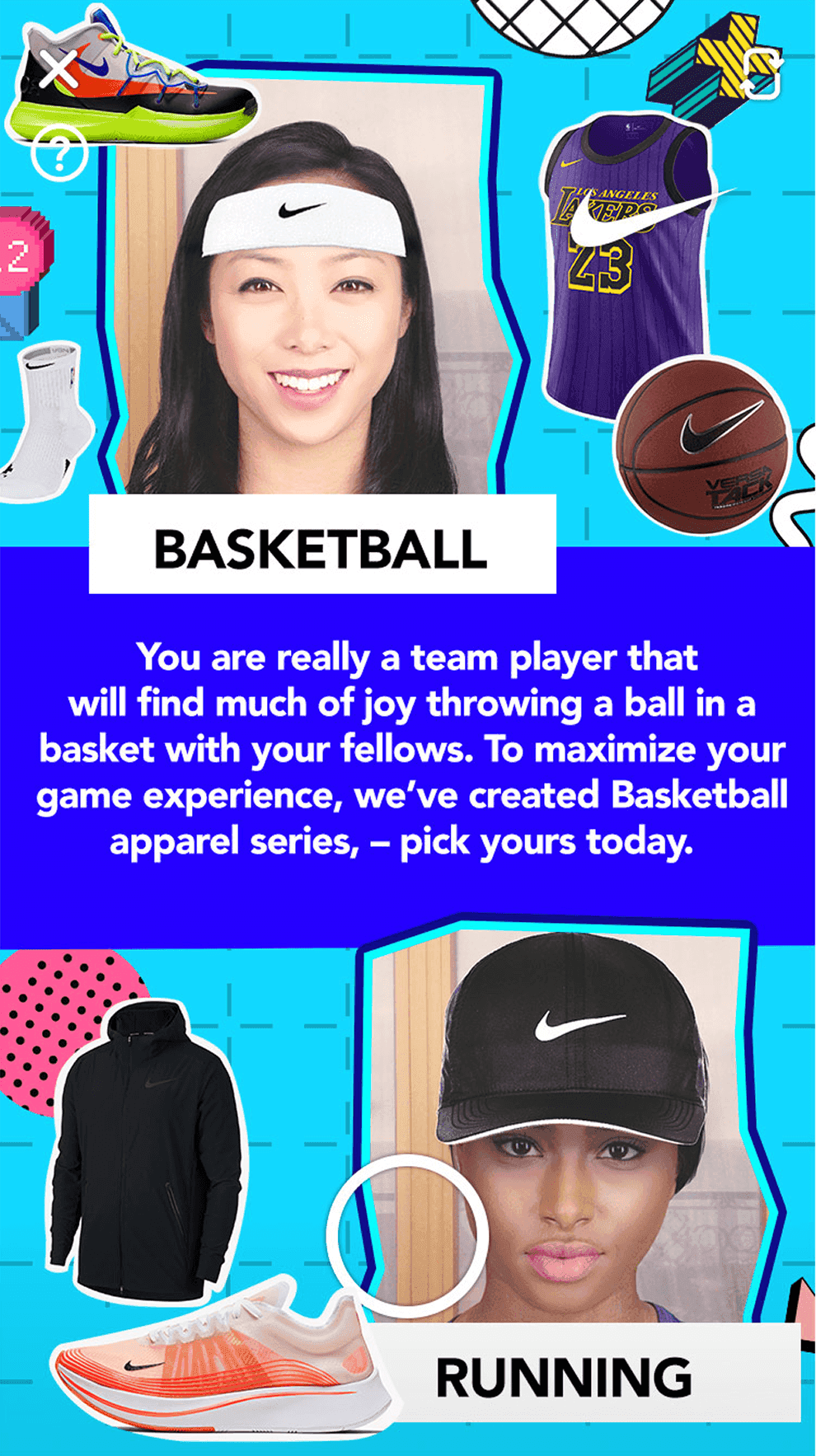
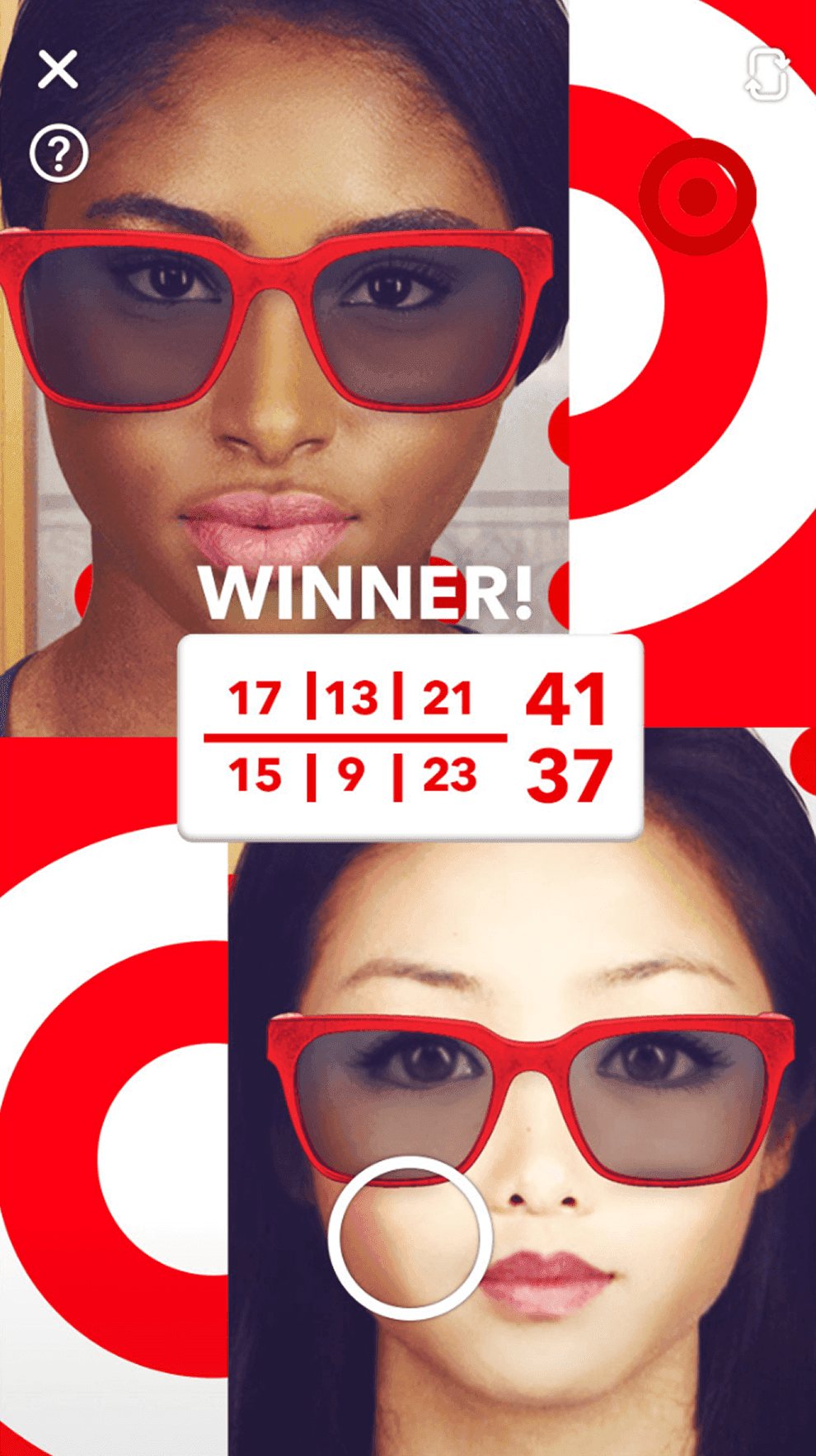
I collaborated on branded AR game experiences that aligned creative mechanics with partner campaigns. These projects required balancing entertainment value with brand guidelines while maintaining Snapchat’s native feel.

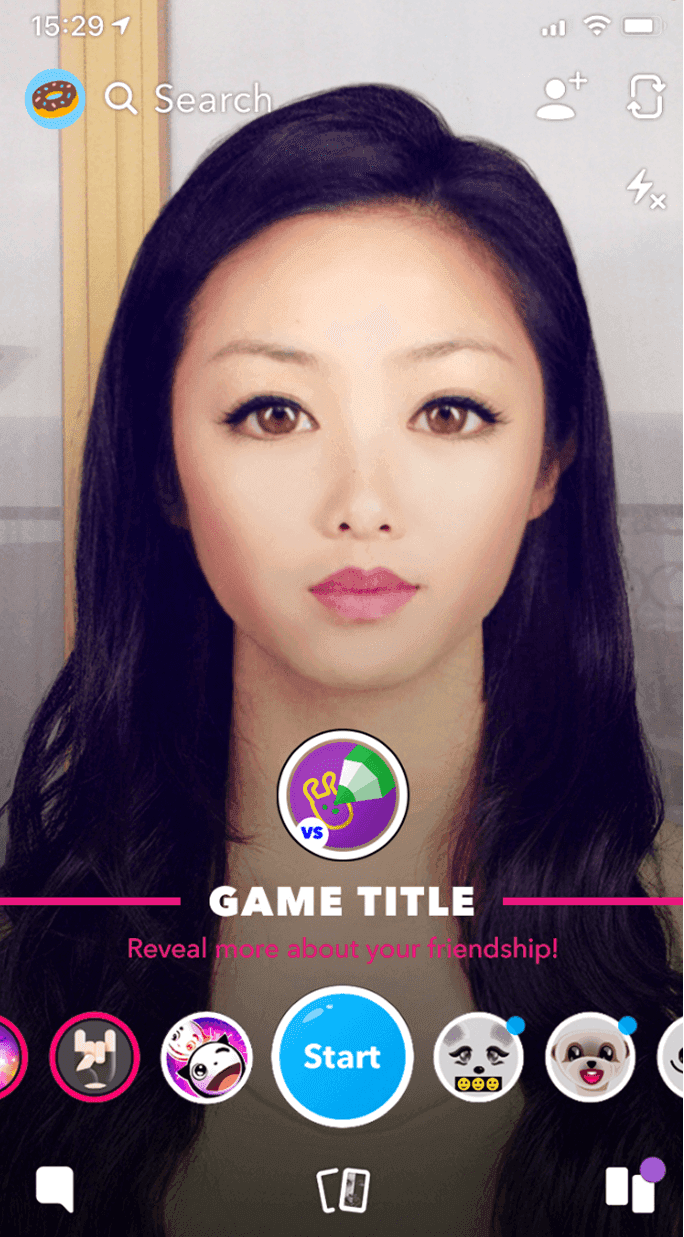
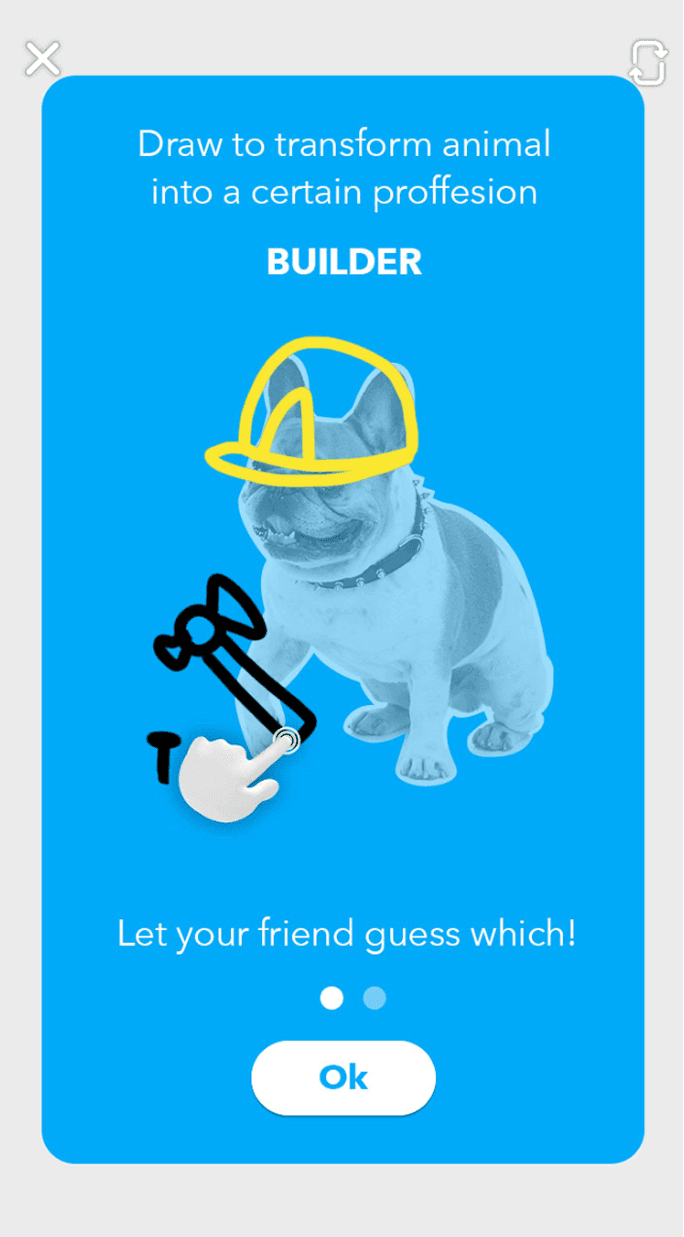
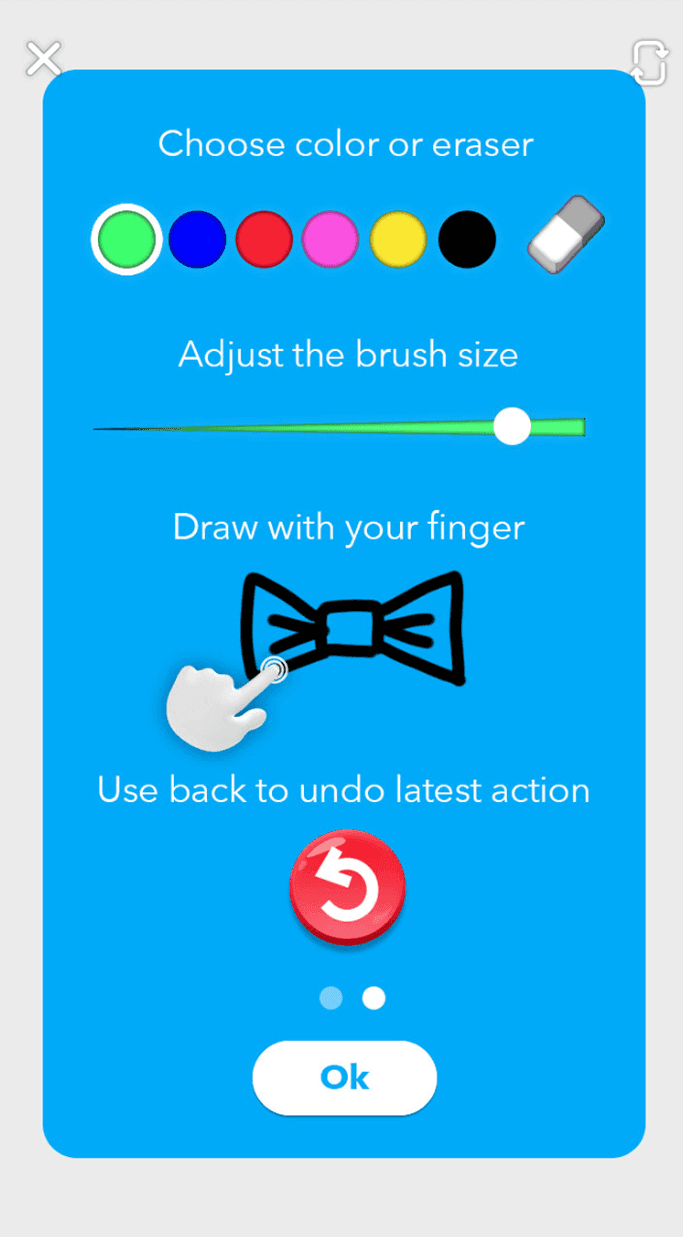
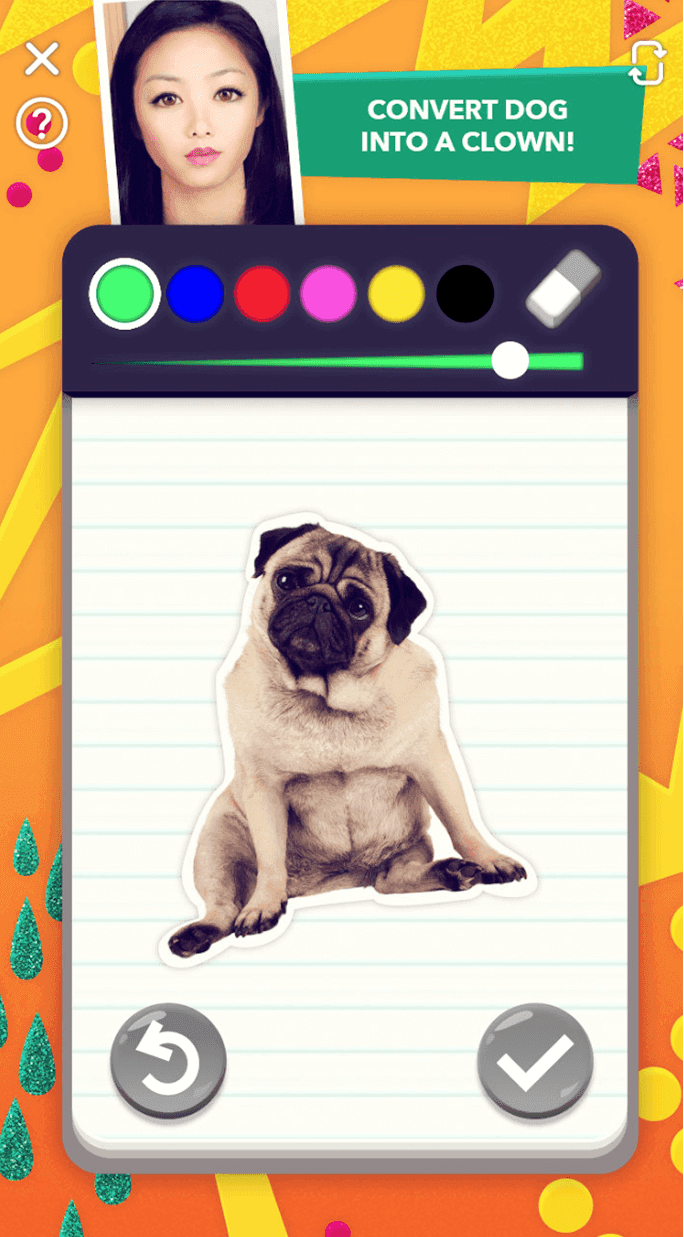
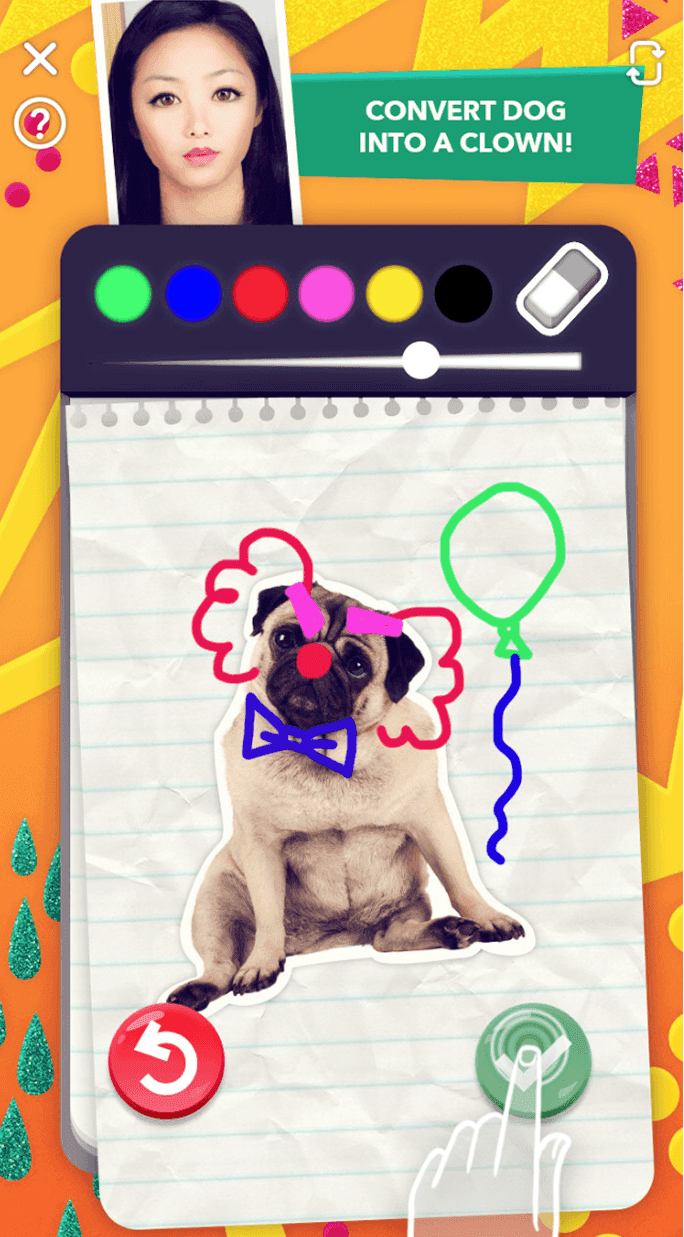
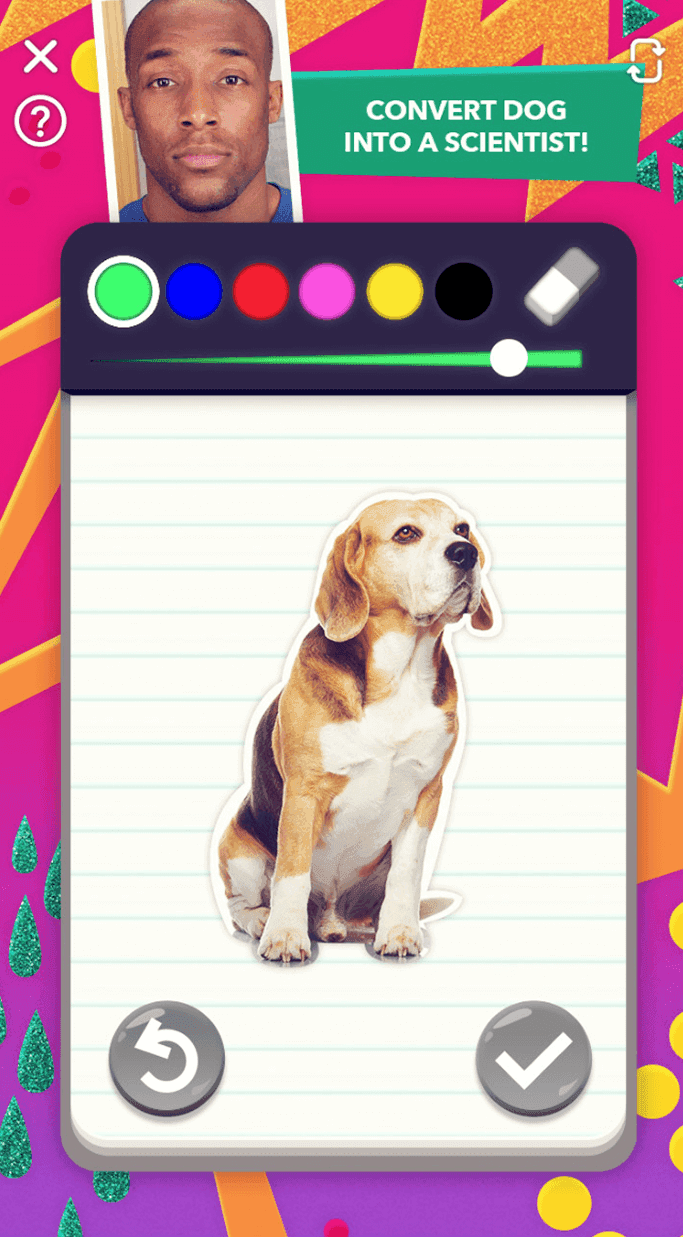
Empowering users to use their creativity
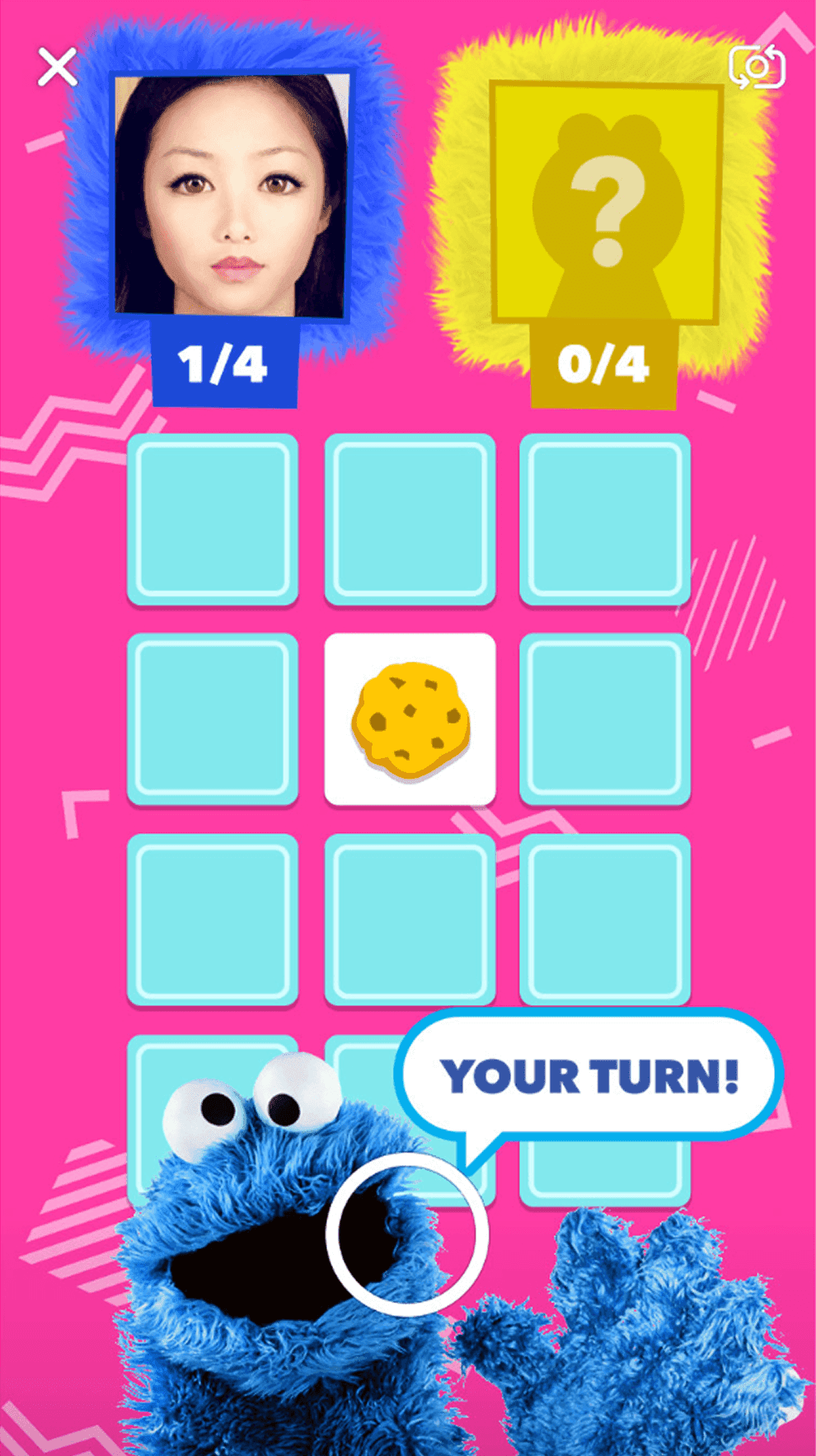
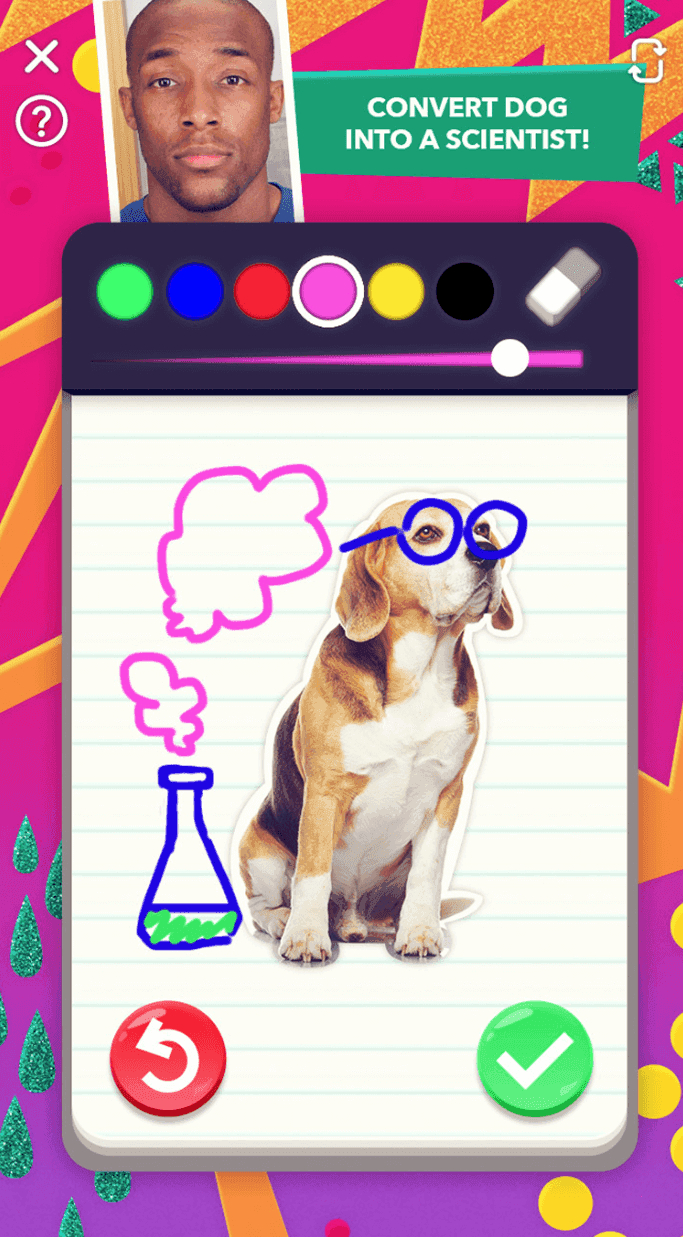
What could be more fun and comforting than designing prompts and tools for users to utilize their imagination?

Scale and impact

Close to 40 game flows shipped
Millions of daily players on individual games
Up to 300% increase in messages on top-performing experiences
Contributed to a high-velocity team shipping multiple concepts weekly
The games reinforced Snapchat as not just a messaging app, but a playful camera platform.
Reflection
Working at Snap sharpened my ability to design under ambiguity and velocity. I learned how to balance creativity with constraint, experimentation with clarity, and novelty with scale. This experience shaped how I approach product design today. Fast. Collaborative. Business aware. Deeply focused on human interaction.